Homemade Crusty Italian Bread

Italian bread goes way back, thousands of years, all the way to ancient Rome. Back then, bread wasn’t just food. It was a daily must-have for everyone, from farmers to emperors. As people began using local grains and adapting to regional climates, the styles of bread changed.
Each village started baking in its own way. That’s how Italy ended up with such a wide variety of breads—each with its own flavor, texture, and story.
During the Middle Ages, shared ovens became the heart of small towns. Families would bring their dough, bake together, and trade tips. It wasn’t just about food it was about community. That spirit of connection is still baked into Italian bread today.
Over time, flatbreads turned into more complex favorites like ciabatta, focaccia, and pane di Altamura. These breads reflect the ingredients and traditions of the regions they come from. Italian bread is more than something to eat. It’s a living piece of culture. A warm loaf on the table still brings people together, just like it did centuries ago.
Typical ingredients:
Bread flour or All-purpose flour
Active dry yeast
Water
Olive oil
Sugar
Salt
(Optional) cornmeal for dusting
(Optional) egg wash for a golden crust
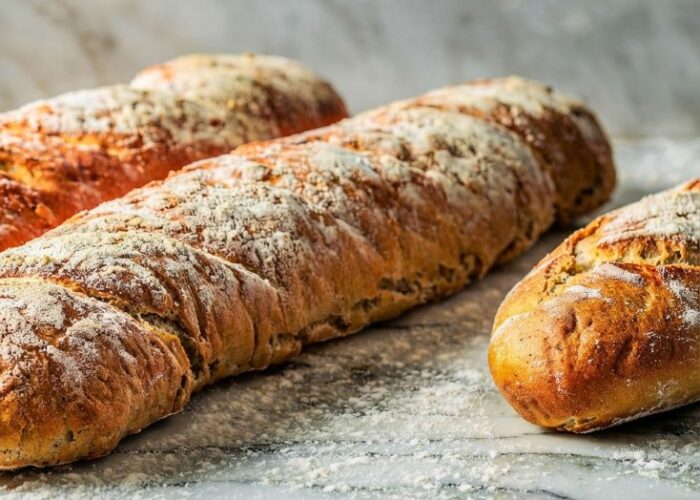
You know what’s amazing? The smell of homemade Italian bread right out of the oven. There’s really nothing like it! This super simple recipe will give you a loaf that’s got this beautiful golden crust, just a little crunchy and then you get to the inside, which is all soft and pillowy. Honestly, it just melts in your mouth!
It’s fantastic for breakfast, slathered with butter, or for building a hearty sandwich. And let’s be real sometimes, you just want to tear off a piece and dip it in some good olive oil, right? With just a handful of ingredients, no fuss at all, and a whole lot of love, this classic Italian bread quickly becomes a favorite at any meal.
Ingredients
Instructions
- Activate the yeastIn a large mixing bowl, combine warm water, sugar, and yeast. Let it sit for about 5–10 minutes, until it becomes foamy.
- Make the doughAdd salt, olive oil, and 3 cups of flour to the bowl. Mix well. Gradually add more flour (up to 3 more cups), about ½ cup at a time, until a soft dough forms.
- Knead the doughTurn the dough onto a floured surface. Knead for 8–10 minutes until smooth and elastic. Add small amounts of flour as needed to prevent sticking.
- First risePlace the dough in a lightly oiled bowl. Cover with a damp cloth or plastic wrap. Let it rise in a warm place for 1 to 1½ hours, or until doubled in size.
- Shape the loavesPunch down the dough and divide it in half. Shape each half into a loaf (oval or round). Place loaves on a parchment-lined or cornmeal-dusted baking sheet.
- Second riseCover the loaves loosely and let them rise again for about 30–45 minutes, until puffy.
- Preheat the ovenPreheat your oven to 425°F (220°C). Place a baking dish of water on the lower rack for steam (this helps create a crispy crust).Optional: Add an egg wash for a shiny, golden crust, brush the loaves with a beaten egg mixed with a tablespoon of water.
- Bake the breadBake for 25–30 minutes, or until the loaves are golden brown and sound hollow when tapped on the bottom.
- Cool before slicingLet the bread cool on a wire rack for at least 20 minutes before slicing.
Notes
Nutrition Facts (Authentic Italian Bread Estimated per 1 slice (about 56 g))
| Nutrient | Amount | %DV* |
|---|---|---|
| Calories | 150 kcal | 8% |
| Total Fat | 1.5 g | 2% |
| Saturated Fat | 0.2 g | 1% |
| Trans Fat | 0 g | — |
| Cholesterol | 0 mg | 0% |
| Sodium | 220 mg | 10% |
| Total Carbohydrate | 30 g | 11% |
| Dietary Fiber | 1 g | 4% |
| Total Sugars | 1 g | — |
| Added Sugars | 0 g | 0% |
| Protein | 5 g | 10% |
| Vitamin D | 0 IU | 0% |
| Calcium | 10 mg | 1% |
| Iron | 1.2 mg | 6% |
| Potassium | 80 mg | 2% |
Tried this recipe?
Let us know how it was!Italian Bread: More Than Just a Loaf

Even today, Italian bread is more than just food, it’s a connection to tradition, family, and flavor. It brings people together, just like it has for generations. Whether it’s served with a comforting bowl of pasta, dipped into fragrant olive oil, or used to wipe up the last bit of sauce from your plate, each bite carries the warmth of Italy’s culinary roots.
There are so many delicious ways to enjoy it. Serve it warm with a splash of extra virgin olive oil and a drizzle of balsamic vinegar for a simple yet satisfying starter. Pair it with rich dishes like spaghetti Bolognese, creamy lasagna, or rustic stews perfect for soaking up every drop of sauce.
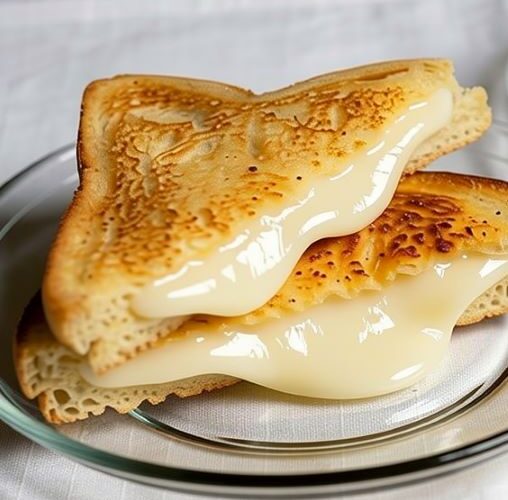
Italian bread also shines in sandwiches. Slice it thick for panini or toasted pressed sandwiches layered with mozzarella, tomatoes, and fresh basil. Build a classic Italian sub stacked with salami, ham, provolone, and pickled vegetables. Or go cozy with a grilled cheese or garlic toast, crispy, golden, and full of comfort.
Classic and Popular Toppings:
Before Baking (Infused in or on the crust)
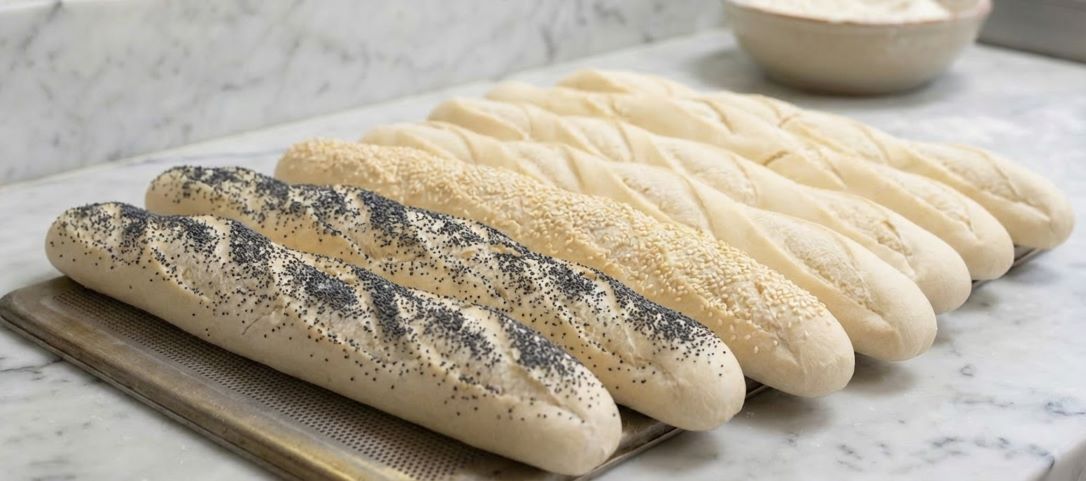
Sesame seeds or poppy seeds – for texture and mild nutty flavor
Olive oil drizzle – adds richness and helps crisp the crust
Coarse sea salt – enhances flavor and gives a slight crunch
Fresh or dried herbs – rosemary, thyme, oregano, or basil
Garlic slices or minced garlic – for a fragrant, savory loaf
Grated Parmesan or Pecorino – melts into the crust for a subtle cheesy note
After Baking (Serving toppings)
Butter or herbed butter – classic and simple
Olive oil & balsamic vinegar – perfect for dipping
Fresh tomatoes, basil, and mozzarella – mini bruschetta-style
Honey or fig jam – sweet twist, often paired with cheese
Tapenade or pesto – savory spreads for sandwiches or appetizers
Storage
Homemade Italian bread is best enjoyed fresh, but with the right storage, you can make it last a few more days without losing its texture or flavor. Here’s how to keep your bread tasting its best:
Room Temperature is Best: Store your bread in a paper bag, bread box, or wrapped loosely in a clean kitchen towel. This allows the crust to stay crisp while keeping the inside soft. (Up to 3 Days)
Avoid Plastic Bags: While plastic can trap moisture and make the bread go soft or moldy faster, it’s okay to use it if you want to preserve the bread’s softness but know the crust may lose its crunch.
Freeze for Freshness: If you won’t eat the bread within a few days, slice it and store the pieces in a freezer-safe bag. That way, you can grab a slice or two whenever you need.
Wrap it tightly in plastic wrap or foil, then place it in a freezer-safe zip bag or airtight container to prevent freezer burn. (Up to 3 months)
To Reheat: Toast frozen slices straight from the freezer or wrap the whole loaf in foil and warm it in the oven at 350°F (175°C) for 10–15 minutes.
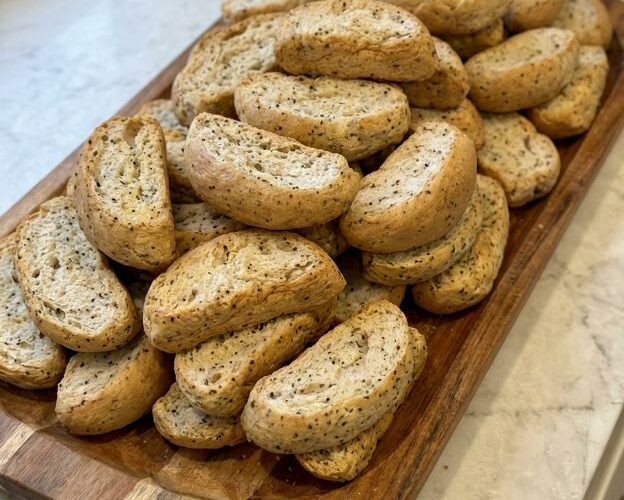
You can also turn stale bread into croutons, breadcrumbs, or even bread pudding.