Ciabatta Bread: Classic Italian Crispy Bread

Ciabatta is a relatively recent addition to Italy’s long baking tradition. In 1982, baker Arnaldo Cavallari created it in the Veneto region. At the time, French baguettes were growing in popularity. In response, Cavallari set out to create a lighter Italian bread suited for sandwiches. The result was ciabatta—Italian for “slipper,” named for its flat, elongated shape.
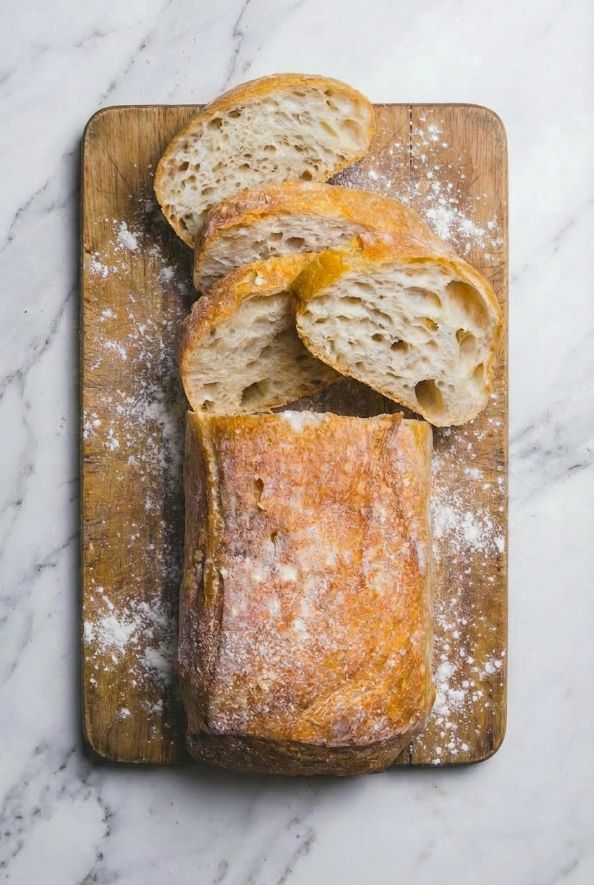
What sets ciabatta apart is its wet, high-hydration dough. This dough creates a crisp crust and a light, airy crumb with large holes. As a result, the bread feels chewy yet delicate. It works especially well for panini and pairs easily with soups and salads. Since its debut, ciabatta has spread throughout Italy and beyond, earning praise for its rustic character and remarkable versatility.
Typical ciabatta bread ingredients:
Bread flour (or all-purpose flour)
Water
Yeast (instant or active dry)
Salt
Olive oil
Traditional additions:
Preferment (biga or poolish) – flour, water, yeast used to boost flavor and open crumb
Malt powder or sugar – help fermentation (optional)
What you won’t usually see:
Milk
Butter
Eggs
That’s why ciabatta has its signature chewy crust, airy holes, and mild wheaty flavor.
Ciabatta bread is a classic Italian loaf with a simple ingredient list. What makes it special is the high hydration and handling, not fancy additions.
Ingredients
Equipment
Instructions
- Make the Biga (Day Before)Mix flour, water, and yeast until just combined (rough and sticky).Cover loosely and let rest at room temperature 12–16 hours.The biga should be bubbly, domed, and smell mildly sweet.
- Mix the DoughTear the biga into chunks and place in a bowl.Add flour, water, yeast, and olive oil.Mix until a very wet, sticky dough forms.Add salt and mix 3–5 minutes more (or knead gently by hand).Ciabatta dough is loose—don’t add extra flour.
- Bulk Fermentation (1½–2 hours)Cover and let rise until doubled.Every 30 minutes, perform stretch-and-folds (3–4 total):Pull one side up, fold over, rotate bowl, repeat.This builds structure without kneading.
- Shape the LoavesGenerously flour your work surface.Gently turn out dough—do not degas.Divide into 2 rectangles using a bench scraper.Transfer to parchment paper.Cover and rest 30–45 minutes.
- BakePreheat oven to 475°F (245°C) with stone or sheet inside.Place a small pan on oven floor for steam.Slide loaves (on parchment) onto hot surface.Add 1 cup hot water to steam pan.Bake 25–30 minutes, until deeply golden.Internal temp: ~205–210°F (96–99°C)
- CoolCool at least 45 minutes before slicing (important for crumb).
Nutrition
Notes
Ciabatta Bread – Nutrition Facts (Estimated Per Serving size: 1 slice -75g)
| Nutrient | Amount | %DV |
|---|---|---|
| Calories: ~170 | ||
| Total Fat | 2.5 g | 3% |
| Saturated Fat | 0.4 g | 2% |
| Cholesterol | 0 mg | 0% |
| Sodium | 310 mg | 13% |
| Total Carbohydrate | 32 g | 12% |
| Dietary Fiber | 1.2 g | 4% |
| Total Sugars | 0.5 g | — |
| Includes Added Sugars | 0 g | 0% |
| Protein | 6 g | — |
| Vitamin D | 0 mcg | 0% |
| Calcium | 20 mg | 2% |
| Iron | 1.8 mg | 10% |
| Potassium | 70 mg | 2% |
The small amount of fat comes primarily from olive oil, contributing flavor and a slightly tender crumb rather than richness.
Tried this recipe?
Let us know how it was!What is a Biga?
Biga is a type of preferment used in traditional Italian baking. Biga is a pre-mixed portion of flour, water, and a tiny amount of yeast that Ferments 12–24 hours before the final dough is made. This helps create chewy crust and better structure (great for ciabatta)
How to Tell It’s Ready
Surface is cracked and slightly domed
Texture is firm but airy inside
Aroma is mildly sweet and nutty, not sour
Tips
Do not knead or add extra water
Cooler rooms = slower fermentation (up to 18 hours)
If the biga collapses or smells sharp/alcoholic, it’s over-fermented
Despite its artisanal look, ciabatta is a relatively modern creation that captures the heart of traditional Italian baking.
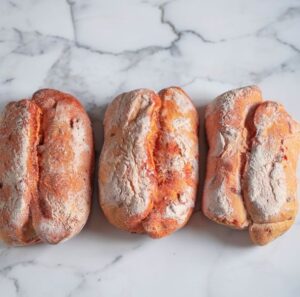
Focaccia Bread Is Loved Around the World
These days, focaccia is loved all around the globe. Whether it’s adorned with fresh herbs, roasted veggies, olives, or even melted cheese, this bread is so much more than just a side dish. It’s a delicious piece of Italy’s culinary heritage, reminding us all of the simple joys that come with homemade food.
Serving Ciabatta Bread
Ciabatta’s light, airy crumb and crisp crust make it one of the most versatile breads to serve. Whether you’re building a hearty sandwich or setting the table for a cozy dinner, here are some tasty ways to enjoy it:
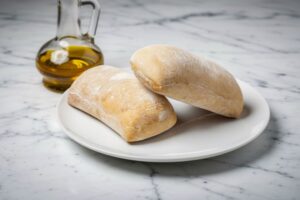
Classic Paninis: Ciabatta is the go-to bread for paninis. Slice it horizontally, fill it with cheese, meats, and veggies, then press and grill for a golden, melty masterpiece.
Dipping in Olive Oil: For a simple appetizer, serve warm ciabatta with extra virgin olive oil, balsamic vinegar, and a sprinkle of sea salt or herbs.
Soups and Stews: The chewy texture is perfect for dipping into tomato soup, minestrone, or hearty beef stew. It holds its shape without getting soggy too quickly.
Bruschetta or Crostini: Toast slices of ciabatta and top with diced tomatoes, garlic, basil, or any of your favorite bruschetta toppings.
Breakfast or Brunch: Try it toasted with butter and jam, or use it as the base for avocado toast or open-faced breakfast sandwiches.
Charcuterie Boards: Cut into small slices and serve alongside cheeses, cured meats, olives, and spreads for a rustic touch to your board.
Storage
Ciabatta is best enjoyed fresh, but with the right storage methods, you can extend its life without sacrificing too much texture or flavor. Here’s how to keep your ciabatta tasting great:
Room Temperature: Wrap the bread in a clean kitchen towel or paper bag and store it at room temperature. This helps maintain the crust while preventing it from drying out too quickly. (up to 1–2 Days)
Avoid Plastic Bags: Plastic traps moisture and makes the crust soggy. If you must use plastic, add a paper towel inside to absorb excess moisture.
Freezing: Freeze While Fresh: For longer storage, freeze your ciabatta on the day it’s baked. Slice it first if you plan to use it for sandwiches or toast.
Wrap It Right: Wrap the loaf (or slices) tightly in plastic wrap or foil, then place it in a freezer-safe bag. Label with the date. (up to 3 months)
To Reheat: Thaw at room temperature, then warm in the oven at 350°F (175°C) for about 5–10 minutes to revive the crust.
Don’t Refrigerate: Refrigeration dries out bread quickly and can ruin the texture, even if it seems like a good idea. Always freeze instead if storing longer than two days.