Soft, airy, and delicately sweet, Torta di Mimosa stands out as one of Italy’s most charming celebration cakes. Its signature look features tiny cubes of sponge cake that mimic the fluffy yellow mimosa flower. This detail gives the cake its name and its instantly recognizable style. Bakers soak light sponge layers with syrup, then fill them with silky pastry cream and whipped cream. Each bite feels light, soft, and almost cloud-like.
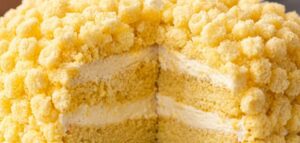
The cake connects closely to the mimosa flower, which blooms across Italy in early spring. These bright yellow blossoms symbolize femininity, strength, and renewal especially during International Women’s Day. On that day, people across Italy give mimosa flowers to women. Torta di Mimosa follows that same tradition as a sweet, edible tribute.
Despite its classic feel, this cake has fairly modern roots. It rose to popularity in the 1950s and is strongly linked to Liguria. One well-known story credits a pastry chef from Rieti. He created the cake for a competition in Sanremo, a city famous for mimosa flowers and festivals.
Typical Ingredients
Torta di Mimosa uses simple, classic Italian baking ingredients. Each one plays a key role in its light texture and delicate flavor.
Sponge Cake (Pan di Spagna)
- Eggs
- Granulated sugar
- All-purpose flour
- Cornstarch (for extra lightness)
- Vanilla extract
- Pinch of salt
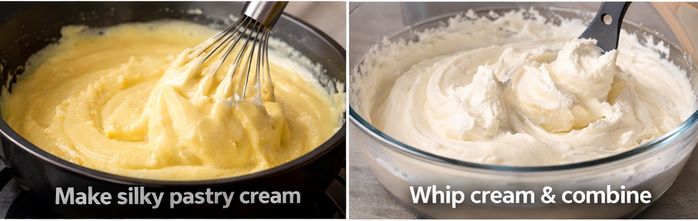
Pastry Cream (Crema Pasticcera)
- Whole milk
- Egg yolks
- Sugar
- Cornstarch (or flour)
- Vanilla
- Lemon zest
Whipped Cream
- Heavy cream
- Powdered sugar

Syrup (Soaking Liquid)
- Water
- Sugar
- Liqueur (optional, such as rum or limoncello)
Why People Love It
Torta di Mimosa gained fans quickly, and for good reason. First, its elegant look immediately draws attention. Then, its light and delicate flavor keeps people coming back for more. Unlike heavier cream cakes, it feels fresh and easy to enjoy, so it fits perfectly at spring gatherings and special occasions.
Moreover, balance makes this cake truly stand out. It tastes rich, yet it never feels heavy. At the same time, it offers sweetness without becoming overwhelming. In addition, it looks beautiful without requiring complicated decoration. The soft sponge cubes do more than decorate; they also add texture and emphasize the cake’s airy structure.
Today, people across Italy continue to enjoy it, especially in March. In fact, many serve it year-round for birthdays, brunches, and celebrations. While some bakers follow the traditional recipe, others add modern twists like fresh fruit or a touch of liqueur syrup. Either way, the cake captures the essence of Italian baking—simple ingredients, elegant results, and a story in every slice.

Ingredients
Equipment
Instructions
- Sponge CakePreheat oven to 350°F (175°C). Grease and line pans.Beat eggs + sugar for 10–12 minutes until pale and fluffy.Fold in vanilla.Sift flour, cornstarch, and salt. Gently fold in.Pour into pans and bake 25–30 minutes.Cool completely.
- Pastry CreamHeat milk with lemon zest until warm (not boiling).Whisk yolks, sugar, and cornstarch until smooth.Slowly add warm milk while whisking.Return to heat; cook until thick.Stir in vanilla. Cover with plastic wrap touching surface.Cool completely.
- Whipped CreamBeat cream + powdered sugar to soft peaks.
- SyrupHeat water + sugar until dissolved. Cool, then add liqueur (optional).
- Assemble Slice one cake into 2–3 layers.Hollow out some interior (reserve crumbs).Brush layers with syrup.Mix pastry cream with half the whipped cream.Fill cake generously.Frost outside with remaining whipped cream.Crumble reserved cake pieces into small cubes.Cover entire cake to resemble mimosa flowers.
- ChillRefrigerate at least 1 hour before serving.
Notes
| Nutrient | Amount | %DV |
|---|---|---|
| Total Calories | 420 kcal | — |
| Total Fat | 24 g | 31% |
| Saturated Fat | 12 g | 60% |
| Cholesterol | 140 mg | 47% |
| Sodium | 180 mg | 8% |
| Total Carbohydrates | 42 g | 15% |
| Dietary Fiber | 1.5 g | 5% |
| Total Sugars | 28 g | — |
| Added Sugars | 22 g | 44% |
| Protein | 7 g | 14% |
Tried this recipe?
Let us know how it was!Serving
Torta di Mimosa is best served cold, straight from the refrigerator. This keeps the sponge light and the cream stable, preserving its signature soft-but-airy texture.
While it already looks beautiful on its own, you can make it even more special when serving by adding a few simple touches. Fresh berries like strawberries or raspberries bring a bright, juicy contrast to the creamy layers. A light dusting of powdered sugar adds a soft, elegant finish. Thin curls of white chocolate can give a delicate sweetness and a more refined look. Finally, a few fresh mint leaves add a hint of color and a subtle, refreshing aroma that balances the richness of the cake.
Enjoy with Espresso or strong coffee (cuts through the richness). Sweet dessert wines like Moscato or light sparkling wine for celebrations.
This cake is at its best within a few hours of assembly. If it sits too long, the sponge absorbs moisture from the cream and loses its signature airy texture.
Overall, this recipe celebrates simplicity and technique. It uses basic ingredients, yet it delivers an impressive result that looks beautiful on the table. For that reason, Torta di Mimosa works perfectly for special occasions, spring gatherings, or anytime you want a dessert that feels both classic and unique.
Storage
Torta di Mimosa is best enjoyed fresh, but it can be stored properly if you need to prepare it ahead or save leftovers.
Keep it refrigerated at all times because of the pastry cream and whipped cream. Place the cake in an airtight container or cover it tightly with plastic wrap to prevent it from drying out or absorbing odors from the fridge. When stored correctly, it will stay fresh for about 2 to 3 days, though the texture is at its best within the first 24 hours.
Avoid freezing if possible, since the cream filling can separate and the sponge may become soggy once thawed. If you do need to store it longer, it’s better to keep the components separate and assemble the cake closer to serving time.