Zuccotto: A Timeless Italian Dessert Cake
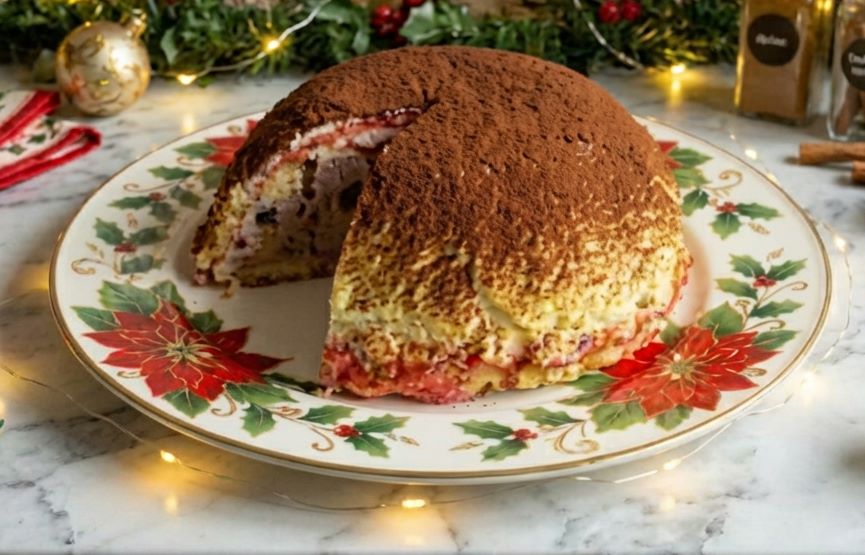
Zuccotto isn’t just a dessert, it’s a little piece of Florence, served chilled and finished with a soft dusting of cocoa. At first glance, it feels elegant and refined. However, beneath that smooth dome lies a story shaped by Renaissance creativity, Medici splendor, and a deep love for turning humble ingredients into something unforgettable.
Zuccotto first appeared in Florence during the late Renaissance, a time when art, architecture, and food all served as powerful forms of expression. Culinary tradition often links its creation to Bernardo Buontalenti, the brilliant architect, artist, and culinary innovator who worked for the influential Medici family. In fact, Buontalenti helped shape many iconic Florentine dishes, and Zuccotto stands out as one of his most indulgent sweet creations.
Just as importantly, the dessert’s distinctive dome shape tells its own story. It echoes the famous dome of Florence’s cathedral, Santa Maria del Fiore an architectural masterpiece that still defines the city’s skyline. Even the name “zuccotto” adds meaning. Many believe it comes from zucca, the Italian word for pumpkin, a nod to the rounded mold traditionally used to shape the dessert.
A Dessert Fit for Nobility

From the beginning, Zuccotto reflected luxury. Early versions appeared on aristocratic tables and featured rich fillings of ricotta or cream blended with sugar, citrus zest, and prized spices. Later on, cooks added chocolate and cocoa once rare and costly ingredients turning Zuccotto into an even more indulgent treat.
At the same time, liqueur-soaked sponge cake lined the mold, giving each slice a fragrant aroma and a soft, velvety texture.
Unlike many traditional cakes, Zuccotto requires no baking. Instead, cooks assemble it, chill it thoroughly, and unmold it just before serving. As a result, it became an ideal dessert for elegant dinners and festive celebrations.
Over the centuries, Zuccotto has continued to evolve while staying true to its Florentine roots. Today, you’ll find versions filled with whipped cream, mascarpone, chopped nuts, candied fruit, or even gelato. Some taste bold and boozy, while others feel light and delicate. Still, the signature dome remains unchanged, revealing dramatic layers with every slice.
Typical Ingredients
Although Zuccotto relies on simple ingredients, their combination creates a dessert that feels both rich and refined. While recipes vary slightly from family to family, these elements form the heart of a classic Florentine Zuccotto.
Sponge Cake
Light Italian sponge cake (pan di Spagna) forms the shell. Cooks slice it thin and press it into the mold, creating the dessert’s iconic dome shape.
Liqueur or Syrup
To add moisture and aroma, the sponge is brushed with a flavored syrup or liqueur. Traditional choices include Alchermes (vividly red and aromatic), rum, Marsala, or a sweet wine or espresso syrup.
Ricotta or Whipped Cream
Classic fillings rely on fresh, well-drained ricotta, whipped cream, or a combination of both. Together, they give Zuccotto its soft, creamy texture.
Sugar
Granulated or powdered sugar gently sweetens the filling without overpowering the other flavors.
Chocolate or Cocoa
Dark chocolate chips, shaved chocolate, or cocoa powder add depth and a subtle bitterness that balances the creaminess.
Candied Fruit or Citrus Zest
Many traditional versions include candied orange or citron peel, along with fresh lemon or orange zest. These ingredients brighten the flavor and add a distinctly Mediterranean aroma.
Nuts (Optional)
Chopped almonds or hazelnuts sometimes appear in the filling, adding texture and a gentle crunch.
Cocoa Powder for Finishing
Finally, once unmolded, Zuccotto receives a generous dusting of unsweetened cocoa powder just before serving.
A Dessert Made for the Elite and for the Holidays
From the start, Zuccotto was a dessert meant to impress. It appeared on noble tables, filled with smooth ricotta or cream, gently sweetened and scented with citrus zest and precious spices. At the time, every ingredient spoke of luxury and care.
Because Zuccotto requires no baking, cooks could prepare it ahead of time and unmold it just before serving. This made it perfect not only for elegant dinners, but also for festive gatherings when the kitchen was already busy. Over time, it naturally became a holiday favorite, chilled, rich, and dramatic enough to end a celebratory meal on a high note. Today, it still feels special. Whether served at Christmas, Easter, or a winter celebration, it brings a sense of occasion to the table.
Ingredients
Equipment
Instructions
- Prepare the MoldLine the inside of a bowl completely with plastic wrap, leaving plenty of overhang. This will make unmolding the Zuccotto easy and clean.
- Line with Sponge CakeSlice the sponge cake into thin strips, about ½ inch thick. Lightly brush each piece with liqueur or syrup—moist but not soaked. Arrange the slices inside the bowl, slightly overlapping, until the entire surface is covered. Trim edges if needed.
- Make the FillingIn a large bowl, whisk the ricotta until smooth and creamy. Add the powdered sugar, vanilla, and citrus zest, and mix until well combined.In a separate bowl, whip the heavy cream to soft peaks. Gently fold the whipped cream into the ricotta mixture using a spatula.Fold in the chocolate, candied fruit, and nuts, if using.
- Assemble Spoon the filling into the sponge-lined bowl, pressing gently to remove air pockets. Smooth the top.Cover the filling with remaining sponge cake slices, brushing lightly with more syrup if needed.Fold the plastic wrap over the top to seal.
- ChillRefrigerate for at least 6 hours, or preferably overnight, until firm and fully set.
- Unmold and ServeCarefully invert the Zuccotto onto a serving plate. Remove the plastic wrap.Just before serving, dust generously with unsweetened cocoa powder.Slice and serve chilled.
Notes
Nutrition Estimated Facts
Zuccotto (Italian Dome Dessert from Florence)
Zuccotto Serving Size:1 slice ~130g) Calories: ~420
| Nutrient | Amount | %DV |
|---|---|---|
| Total Fat | 28g | 36% |
| Saturated Fat | 16g | 80% |
| Cholesterol | 95mg | 32% |
| Sodium | 90mg | 4% |
| Total Carbohydrate | 38g | 14% |
| Dietary Fiber | 2g | 7% |
| Total Sugars | 28g | — |
| Added Sugars | 20g | 40% |
| Protein | 7g | 14% |
| Vitamin D | 0.3mcg | 2% |
| Calcium | 120mg | 9% |
| Iron | 1.2mg | 6% |
| Potassium | 160mg | 4% |
Tried this recipe?
Let us know how it was!
Make it ahead
Zuccotto actually improves when it has time to rest. Preparing it a day or even two ahead allows the flavors to meld, the sponge to fully absorb the liqueur, and the filling to firm up for clean, beautiful slices.
This makes it an ideal dessert for holidays, dinner parties, or any special occasion when you want something impressive without last-minute stress. You can even assemble it in the morning and refrigerate it all day, then simply unmold, dust with cocoa, and serve effortless elegance that tastes like it took hours to create.
Serving
Zuccotto is best served chilled, straight from the refrigerator. Carefully slice it into generous wedges to showcase the beautiful layers of sponge, creamy filling, and chocolate. For an extra touch of elegance, dust each slice with unsweetened cocoa powder or sprinkle with shaved chocolate, chopped nuts, or candied fruit just before serving.
Pair it with a small cup of espresso, dessert wine, or even a sparkling Moscato for a festive experience. Zuccotto also works wonderfully as a show-stopping centerpiece for holiday tables, birthday celebrations, or any dinner party where you want to impress guests with minimal last-minute effort.
Storage
Zuccotto keeps beautifully when stored correctly, making it an ideal make-ahead dessert. Dust with cocoa powder or add delicate garnishes only just before serving to keep the presentation fresh. Avoid slicing the Zuccotto until ready to serve to preserve its shape and texture.
Refrigerator: Cover the dessert tightly with plastic wrap or place it in an airtight container. It will stay fresh for up to 3 days, maintaining its creamy texture and layered structure.
Freezer: Zuccotto freezes well for up to 1 month. Wrap it tightly in plastic wrap and then in aluminum foil to prevent freezer burn. Thaw overnight in the refrigerator before serving.