Sicilian Cassata Cheesecake: A Modern Twist on a Timeless Sicilian Classic
Sicilian Cassata Cheesecake is a modern love letter to Cassata Siciliana, one of Sicily’s most iconic celebration desserts. Picture Palermo centuries ago. Arab, Norman, and Spanish cultures met at the table as much as in the streets. Sugar, citrus, almonds, and ricotta shaped Sicilian pastry. Cassata emerged as a symbol of abundance and joy.
Cassata traces its roots to Arab-ruled Sicily in the 9th century. Cooks sweetened fresh sheep’s milk ricotta with sugar and scented it with citrus. Over time, the dessert grew more elaborate.
Bakers layered liqueur-soaked sponge cake with ricotta, candied fruit, and chocolate. Bright green marzipan sealed the cake. Families served cassata at Easter and major celebrations. It never played a supporting role—it stole the show.
The Soul of Cassata in a Creamy Cheesecake
This cheesecake doesn’t try to replace the original. It honors it. The dessert carries Sicilian tradition into modern kitchens with ease. Serve it at Easter, Christmas, or a family gathering. Each slice tells a story of cultures, and its deep love for desserts that celebrate life.
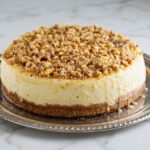
Sicilian Cassata Cheesecake keeps those signature flavors but changes the structure. A buttery biscuit crust replaces sponge cake. Cream cheese softens the ricotta and adds silkiness. The finish stays clean and elegant, without heavy decoration. What remains is the heart of cassata: creamy ricotta, fragrant citrus zest, bursts of candied fruit, and a hint of dark chocolate.
Typical Ingredients|
Sicilian Cassata Cheesecake is built around the same ingredients that define classic cassata siciliana, adapted to a cheesecake format. Together, these ingredients recreate the unmistakable flavors of Sicilian cassata while giving the dessert the creamy, elegant texture of a cheesecake. The most typical ingredients include:
Ricotta cheese – traditionally sheep’s milk, smooth and well drained
Cream cheese – added for creaminess and structure in the cheesecake version
Sugar – to sweeten the ricotta filling
Eggs – to bind and gently set the filling
Citrus zest – orange and lemon for freshness and aroma
Candied fruit – usually orange, citron, or cherry, finely chopped
Dark chocolate – chips or shavings for contrast and depth
Vanilla extract – for warmth and balance
Orange blossom water – optional but very traditional
Cinnamon – a subtle spice often used in Sicilian sweets
Butter biscuits or cookies – for the crust (digestive or graham-style)
Butter – to bind the crust
Pistachios – often used as garnish or topping
A modern twist on a timeless Sicilian classic
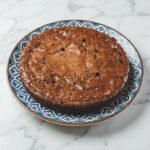
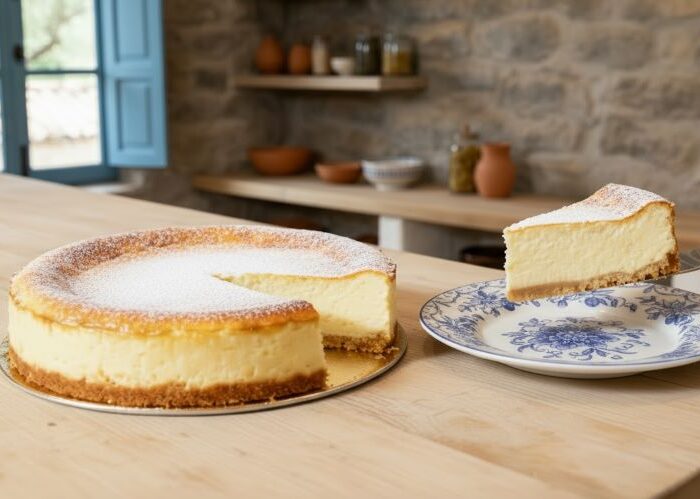
This dessert takes inspiration from Cassata Siciliana, the iconic Palermo cake made with ricotta, candied fruit, citrus, and chocolate. Instead of sponge cake and marzipan, this version uses a buttery biscuit crust and a smooth baked ricotta cream cheese filling, keeping all the traditional flavors but in an easier, sliceable cheesecake form.
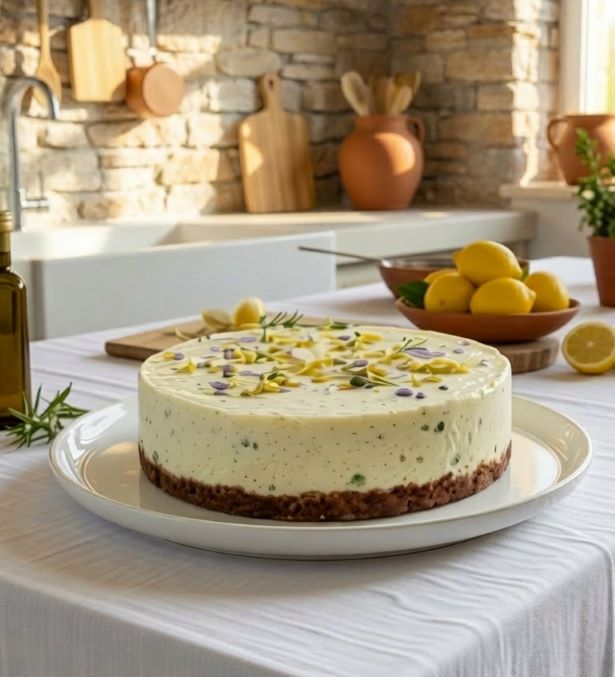
Ingredients
Equipment
Instructions
- CrustPreheat the oven to 325°F (160°C).Line the bottom of a 9-inch springform pan with parchment paper.In a bowl, mix the crushed biscuits with melted butter, sugar, and cinnamon until evenly moistened. Press the mixture firmly into the bottom of the pan, creating an even layer.Bake for 10 minutes, then remove and let cool slightly.
- FillingIf the ricotta is grainy, press it through a fine sieve for a smoother texture.In a large bowl, beat the ricotta, cream cheese, and sugar until creamy and lump-free. Add the eggs one at a time, mixing gently after each addition.Stir in the orange zest, lemon zest, vanilla, orange blossom water, cinnamon, and salt. Fold in the chocolate chips and candied fruit using a spatula.
- BakePour the filling over the cooled crust and smooth the top.Place the pan in the oven and bake for 65–70 minutes, until the edges are set and the center still has a slight jiggle.(For the creamiest texture, place the pan in a water bath.)Turn off the oven, crack the door open, and let the cheesecake cool inside for 1 hour.
- ChillRemove the cheesecake from the oven and refrigerate for at least 6 hours, preferably overnight, before unmolding.
Notes
Tried this recipe?
Let us know how it was!Variations
Sicilian Cassata Cheesecake is wonderfully versatile, and small changes can give it a completely different personality while keeping its Sicilian soul. Here are some delicious variations to try:
No-Bake Cassata Cheesecake
Skip the oven and set the ricotta filling with gelatin. Light, creamy, and perfect for summer gatherings.
Ricotta-Only Version
Omit the cream cheese and use only well-drained sheep’s milk ricotta for a more traditional, less dense texture.
Chocolate Lover’s
Add cocoa powder to the filling or create a chocolate biscuit crust for deeper, richer flavor.
Pistachio
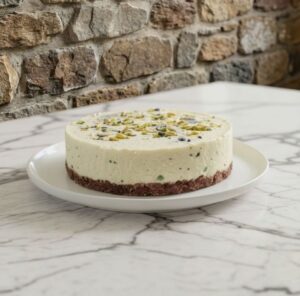
Swirl pistachio paste into the batter or add a thin pistachio cream layer on top for a bold Sicilian twist.
Marzipan-Topped Cassata Cheesecake
Cover the cheesecake with a thin sheet of green marzipan for a closer nod to classic cassata siciliana.
Mini Cassata Cheesecakes
Bake in individual molds or muffin tins—perfect for parties and easy serving.
Gluten-Free
Use gluten-free cookies for the crust without changing the filling.
Liqueur-Infused
Add a splash of Marsala, Amaretto, or Limoncello to the filling for extra depth and aroma.
Each variation keeps the essence of cassata while allowing you to tailor the dessert to the season, occasion, or personal taste.
Serving
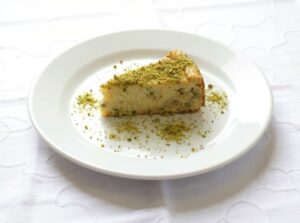
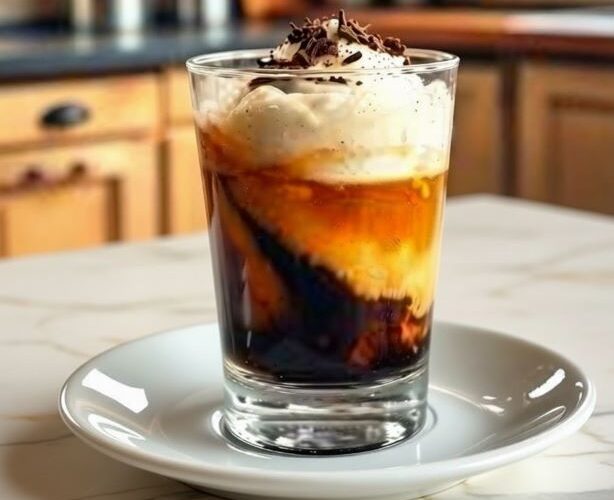
Serve Sicilian Cassata Cheesecake well chilled, slicing it with a sharp knife wiped clean between cuts for neat, elegant portions. Because it is rich and creamy, thin slices are ideal. For a traditional Sicilian touch, garnish each slice with a few chopped pistachios, a piece of candied citrus peel, or a light dusting of powdered sugar just before serving. It pairs beautifully with espresso or a small glass of sweet dessert wine such as Marsala or Moscato.
This cheesecake is perfect as a holiday dessert, especially for Easter, Christmas, or special family celebrations.
Storage
Store Sicilian Cassata Cheesecake covered in the refrigerator to protect it from absorbing odors. It keeps well for up to 4 days, and the flavor often improves after the first day as the citrus and ricotta notes fully develop.
For longer storage, the cheesecake can be frozen without toppings. Wrap it tightly in plastic wrap and then in foil, or place it in an airtight container, and freeze for up to 1 month. Thaw overnight in the refrigerator before serving. Add fresh toppings just before serving for the best texture and appearance.