Traditional Italian Desserts to Welcome a Lucky New Year

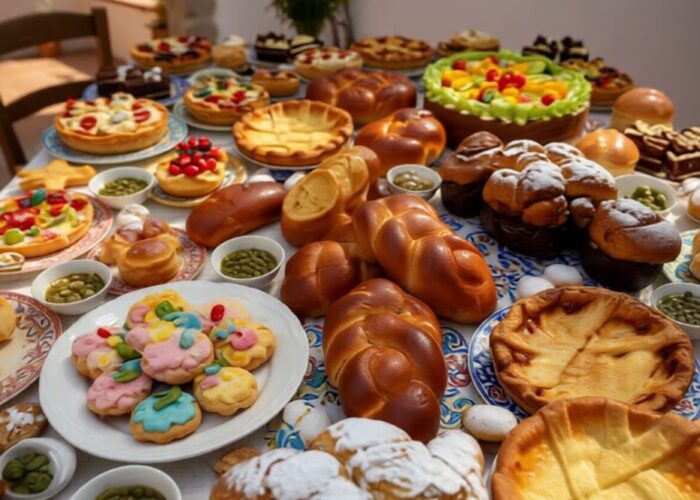
In Italy, New Year’s Eve means more than fireworks and midnight toasts. Instead, it centers on tradition, symbolism, and shared moments at the table. Because of this, dessert takes a leading role. Every sweet has a purpose. Every bite carries meaning. Together, they help families welcome the year ahead with hope and intention.
From grapes eaten at midnight to slices of panettone passed around after dinner, Italian New Year desserts blend history, comfort, and celebration. With that said, let’s move through the classic sweets that define this special night.
The Lucky Grapes: A Sweet Start to the Year
To begin, grapes hold a special place on the Italian New Year’s table. Although the custom is more commonly linked to Spain, Italians also embrace grapes as a symbol of abundance, wealth, and good fortune.
After dinner, families often bring out a small bowl of fresh grapes. Then, as midnight approaches, the ritual begins. One grape follows another. Each one represents hope for the months ahead. As a result, the tradition feels both simple and powerful. At the same time, the fresh flavor of grapes balances the richness of holiday desserts.
Panettone: The Icon of Italian Celebrations

Next, panettone takes center stage. This iconic Milanese sweet bread defines Italian celebrations. Light yet rich, it combines raisins, candied citrus, butter, and vanilla into one unmistakable dessert.
Even once Christmas has passed, panettone remains essential on New Year’s Eve. Typically, it’s sliced generously and served with espresso, sweet wine, or mascarpone cream. If leftovers remain, they rarely last long. Instead, panettone gets toasted, layered into desserts, or enjoyed the next morning. In every form, it continues the celebration.
Pandoro: Simple, Elegant, and Snowy White

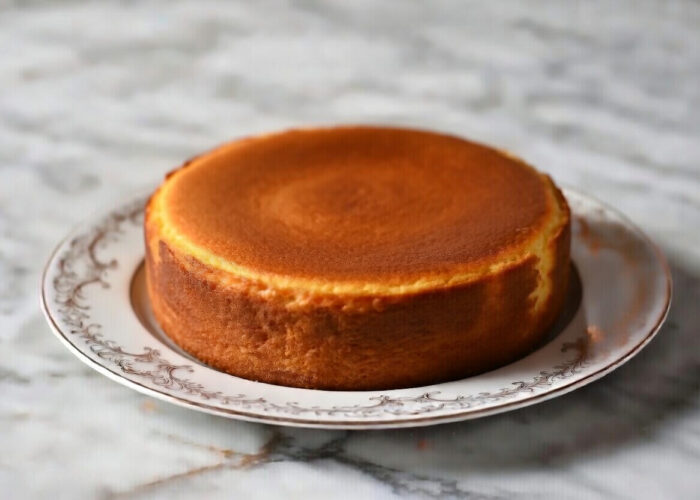
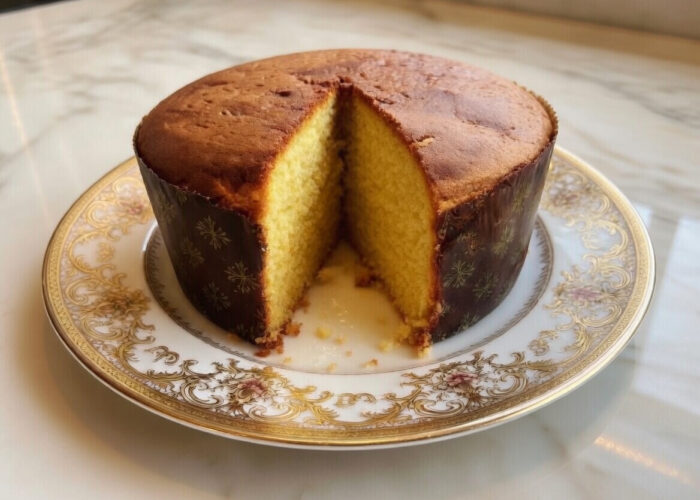
For a softer and more refined option, pandoro offers a beautiful contrast. Originating in Verona, this cake skips fruit entirely. Instead, it focuses on butter, eggs, and a tender crumb.
Before serving, pandoro receives a generous dusting of powdered sugar. As a result, it resembles freshly fallen snow. Because of this, it feels especially suited to winter celebrations. On New Year’s Eve, families slice it into its signature star-shaped layers. Often, they serve it with chocolate sauce, zabaglione, or whipped cream. In the end, pandoro proves that simplicity can still feel festive.
Struffoli: Little Bites of Joy and Prosperity

Meanwhile, struffoli add movement and color to the table. These tiny fried dough balls are coated in warm honey and finished with sprinkles or candied fruit. Unsurprisingly, they remain a favorite in Southern Italy.
Traditionally, cooks arrange struffoli into mounds or wreaths. By doing so, they symbolize abundance and unity. Bite after bite, the dessert feels sweet, sticky, and joyful. More importantly, struffoli encourage sharing. They invite everyone to gather, reach in, and celebrate together.
Torrone: A Traditional Sweet to End the Year

Finally, torrone brings the evening to a thoughtful close. This traditional Italian nougat blends honey, sugar, egg whites, and nuts like almonds or hazelnuts. Depending on the region, it may be soft or crunchy.
At New Year’s, torrone symbolizes strength, endurance, and sweetness in life. For that reason, families serve it in small pieces with coffee or dessert wine. Slowly, conversations linger. Gradually, the celebration winds down. Torrone doesn’t rush the moment. Instead, it helps ease the transition into the new year.
A Table Full of Meaning and Sweetness
Italian New Year desserts aren’t just about indulgence, they’re about symbolism, sharing, and starting fresh. Grapes bring luck, panettone and pandoro celebrate tradition, struffoli invite joy, and torrone offers sweetness with strength.
Together, they create a table that feels abundant, welcoming, and hopeful just the way a New Year should begin. Whether youAltogether, Italian New Year desserts go beyond indulgence. They tell stories. They carry wishes. They create connection. Grapes invite luck. Panettone and pandoro honor tradition. Struffoli spark joy. Torrone adds strength and sweetness.
Taken together, these desserts create a table that feels generous, warm, and hopeful. Whether you follow tradition closely or add a modern twist, one thing remains certain: in Italy, the New Year always begins on a sweet note keep the traditions exactly as they’ve been passed down or add your own modern twist, one thing is certain: in Italy, the year always starts on a sweet note.