An authentic Italian dessert is more than food. It’s an experience. For example, think about the creamy richness of mascarpone in tiramisu. Then imagine the crisp crunch of a cannoli shell. Or consider the bright burst of fruit in a scoop of artisanal gelato. Together, these flavors create something memorable. More importantly, dessert in Italy is a ritual. People pause, gather, and enjoy life’s simple pleasures. So, join us as we explore beloved classics. Next, we’ll uncover regional treasures. Finally, you’ll learn how to bring a taste of Italy’s sweet life into your own kitchen.
A Guide to Popular Italian Desserts You Must Try
While Italy’s dessert menu is vast and varied, a few iconic creations have captured hearts and taste buds around the globe. These are the classics you’ll find in bustling Roman trattorias, charming Florentine cafes, and authentic Italian bakeries everywhere. Each one tells a story of its origins, showcasing the ingenuity of Italian pastry chefs and home cooks. Getting to know these popular Italian desserts is the perfect starting point for any culinary exploration.
Tiramisu: The “Pick Me Up” Classic
Perhaps the most famous Italian dessert of all, Tiramisu literally translates to “pick me up,” and it does exactly that. This elegant, no-bake dessert features layers of delicate ladyfinger cookies (savoiardi) soaked in strong espresso, which are then covered in a luscious, airy cream made from mascarpone cheese, eggs, and sugar. A final dusting of unsweetened cocoa powder provides a slightly bitter contrast to the sweetness. The result is a harmonious blend of textures and flavors—soft, creamy, and bold with coffee. Believed to have originated in the Veneto region in the 1960s, Tiramisu is a modern classic that has become a global symbol of Italian indulgence. It’s best enjoyed chilled after a hearty meal, offering a sophisticated and energizing finish.
Cannoli: Sicilian Crispy Delights
Straight from the heart of Sicily, cannoli are a testament to the island’s rich culinary heritage. These iconic pastries consist of tube-shaped shells of fried pastry dough, blistered to a perfect golden-brown crispness. The magic happens when these shells are filled, traditionally just before serving, with a sweet, creamy ricotta cheese filling. Classic additions to the filling include miniature chocolate chips, candied citrus peel, or chopped pistachios. The contrast between the crunchy shell and the smooth, rich filling is simply divine. A true Sicilian cannolo is a hands-on treat, often enjoyed while strolling through a vibrant market or as a special treat on holidays.
Panna Cotta: Silky Smooth Elegance
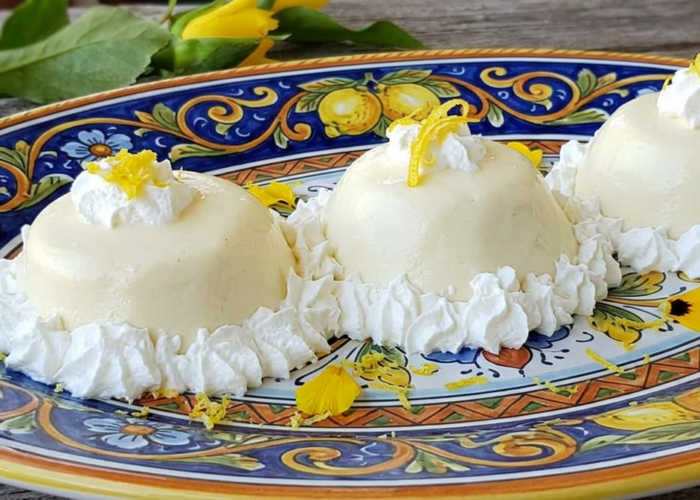
Hailing from the Piedmont region, Panna Cotta, or “cooked cream,” is the epitome of simple elegance. This dessert is made by simmering together cream, sugar, and milk, then setting the mixture with gelatin. Once chilled, it’s unmolded to reveal a silky, wobbly custard with a delicate, creamy flavor. Its simplicity is its strength, as it serves as a perfect canvas for a wide variety of toppings. Enjoy it with a tart berry coulis, a rich caramel sauce, a drizzle of chocolate, or fresh seasonal fruit. Panna Cotta is a light yet sophisticated dessert that proves you don’t need complex ingredients to create something truly memorable.
Gelato: Italy’s Iconic Frozen Treat
Don’t make the mistake of calling gelato just “ice cream.” This beloved Italian frozen treat is in a league of its own. Gelato is made with a higher proportion of milk to cream and is churned at a much slower rate, incorporating less air. This results in a denser, smoother texture and a flavor that is more intense and direct. Served at a slightly warmer temperature than ice cream, its flavors come alive on the palate. From classic flavors like pistachio and hazelnut to refreshing fruit sorbettos, exploring the offerings at an artisanal gelateria is a quintessential Italian experience.
Other Must-Try Classics: Bigne, Zeppole, and More
The list of must-try Italian desserts doesn’t stop there. Be sure to look for Binge, small choux pastry balls filled with whipped cream or pastry cream and often drizzled with warm chocolate sauce. Around festival times, you might find Zeppole, light and airy fried dough balls dusted with powdered sugar, sometimes filled with custard or jelly. Each dessert offers a unique window into Italy’s sweet traditions.
How to Choose and Enjoy the Best Italian Desserts

Experiencing an authentic Italian dessert is about more than just satisfying a sweet tooth; it’s about appreciating quality, tradition, and the joy of a shared moment. Whether you’re dining out, visiting a local bakery, or trying a recipe at home, knowing what to look for can elevate your experience from good to unforgettable. Here are some practical tips for navigating the delicious world of Italian sweets and savoring them as the Italians do.
Finding Authentic Italian Desserts
The key to an amazing dessert lies in its ingredients and preparation. When searching for the real deal, let your eyes be your guide. For gelato, look for natural colors—pistachio should be a muted brownish green, not a neon green, and banana should be off-white, not bright yellow. Authentic gelaterias often store their gelato in covered, round metal tins called pozzetti to maintain the perfect temperature and freshness. For pastries like cannoli, the best bakeries (pasticcerie) will fill the shells to order to ensure they remain perfectly crisp. Don’t be afraid to ask about the ingredients; a passionate baker will be happy to tell you about their fresh ricotta or imported pistachios. Supporting local Italian bakeries, specialty food shops, or reputable online retailers is often your best bet for finding genuine quality.
Tips for Serving and Presentation
In Italy, dessert is a leisurely affair, meant to be savored. Presentation enhances this experience. Most creamy desserts, like Tiramisu and Panna Cotta, are best served chilled to allow their flavors to meld and their textures to set. When serving Panna Cotta, you can run a thin knife around the edge of the mold and briefly dip it in warm water to help it release cleanly onto a plate before adding your topping. Tiramisu is often served family-style in a large dish or as individual portions in glasses. Above all, Italian desserts are meant to be shared. They are the centerpiece of conversation and connection at the end of a meal, so take your time and enjoy the moment with friends and family.
Exploring New Favorites
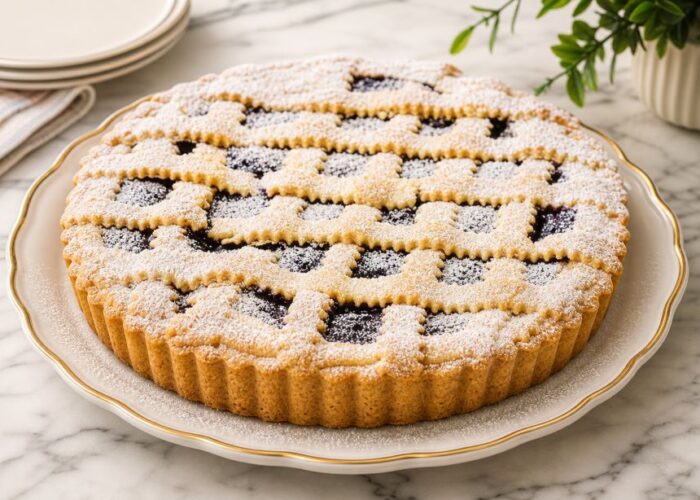
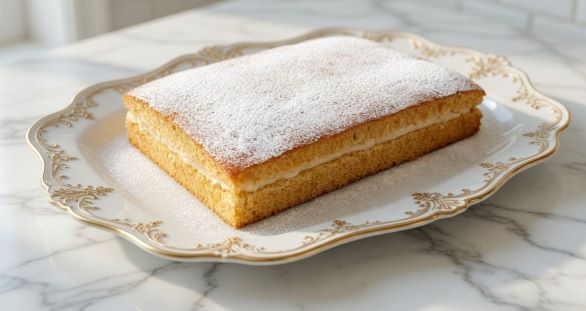
While the classics are popular for a reason, Italy’s dessert landscape is incredibly diverse. Don’t hesitate to step outside your comfort zone. Ask your server for a regional specialty or try something you’ve never heard of. You might discover a new favorite, like a slice of Torta della Nonna (“Grandmother’s Cake”), a Tuscan pine nut and custard tart, or a rich Bonet, a chocolate and amaretto pudding from Piedmont. For those who love to bake, trying to recreate an Italian dessert at home can be a deeply rewarding experience. Countless resources and authentic recipes are available online, allowing you to bring a piece of Italy’s sweet culinary heritage into your own kitchen.