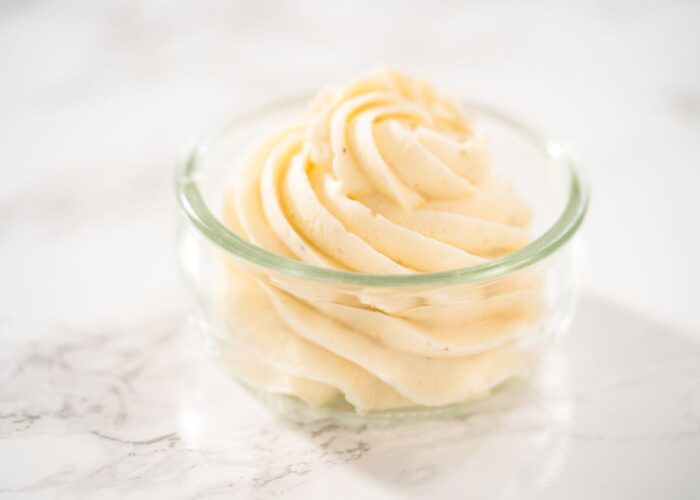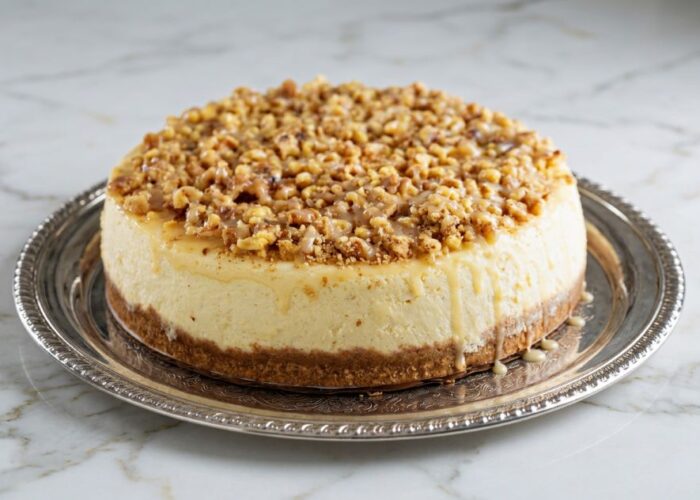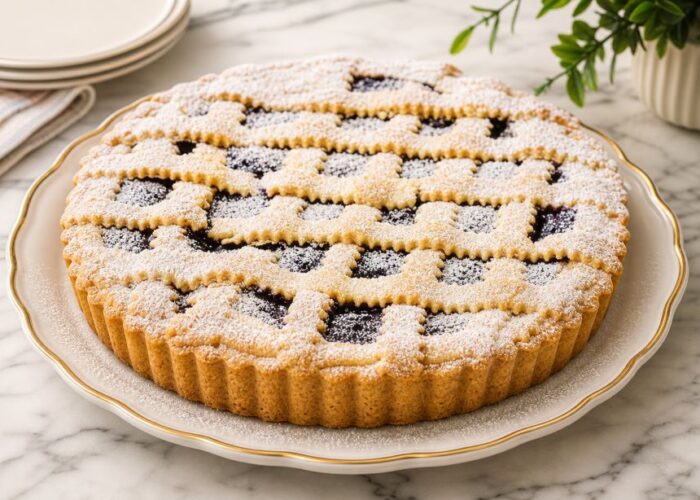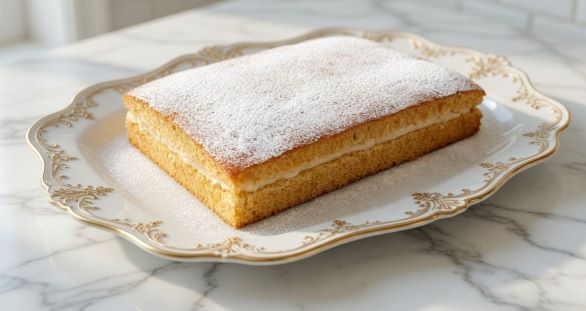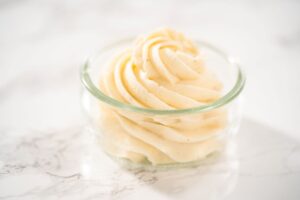
There are some Italian desserts that do not need to be complicated to feel special. Crema diplomatica is one of them. Silky, light, and wonderfully creamy, this classic Italian filling turns simple pastries into something truly memorable.
You will find crema diplomatica spooned into delicate pastries, and used to fill cakes, tarts, and cream puffs. It has a rich flavor, but its texture feels surprisingly light.
The secret lies in the combination of two traditional Italian creams: crema pasticcera and whipped cream and . Pastry cream provides the rich, velvety base. Whipped cream then folds in air and gives the mixture its soft, almost cloud-like texture. The result is a cream that feels luxurious without becoming heavy.
Crema Diplomatica Like many beloved Italian recipes, it developed through the country’s long pastry tradition rather than from one clearly documented moment.
What we do know is that crema diplomatica became an important component of classic Italian pastry. It also helped give the famous Torta Diplomatica its signature character. The cake combines layers of flaky puff pastry, sponge cake, and this delicate cream. Each bite brings together crisp pastry, tender cake, and silky cream.
Typical Ingredients for Crema Diplomatica
Crema diplomatica uses a handful of simple ingredients. The magic comes from combining Italian pastry cream (crema pasticcera) with lightly sweetened whipped cream.
- Whole milk – Creates the smooth creamy base.
- Egg yolks – Give the cream its rich color and silky texture.
- Granulated sugar – Sweetens the pastry cream.
- Cornstarch – Thickens the pastry cream.
- Vanilla – Adds the classic warm aroma.
- Heavy whipping cream – Whipped and folded into the cooled pastry cream to create light texture.
- Powdered sugar – Lightly sweetens the whipped cream and helps it hold its structure.
- Lemon zest (optional) – Adds a subtle citrus note that works well in Italian pastries.
- Liqueur (optional) – A small amount of rum, Marsala, or another Italian liqueur can add extra depth and is sometimes used in traditional pastry preparations.
The Perfect Balance
A useful starting point is about 2 parts pastry cream to 1 part whipped cream. This creates a crema diplomatica that is rich enough for layering but still light and airy.
For desserts such as Torta Diplomatica, the cream should be thick enough to hold its shape between the pastry and sponge cake layers without becoming overly heavy.
Ingredients
Equipment
Instructions
- Warm the MilkPour the milk into a medium saucepan. Add the lemon zest if using. Warm over medium heat until the milk is hot and steaming, but do not let it boil.Remove from the heat and set aside for a moment.
- Whisk Egg YolksIn a mixing bowl, whisk the egg yolks and granulated sugar until the mixture becomes lighter and slightly creamy.Add the cornstarch and whisk until smooth. Make sure there are no dry lumps.
- Temper EggsSlowly pour about half of the warm milk into the egg mixture while whisking constantly. This gently raises the temperature of the eggs and helps prevent them from scrambling.Pour the mixture back into the saucepan with the remaining milk.
- Cook Pastry CreamPlace the saucepan over medium-low heat. Whisk continuously as the mixture thickens.Once the cream begins to bubble gently, continue cooking for about 1 minute while whisking. It should become thick and smooth.Remove from the heat and stir in the vanilla.
- Strain and CoolPour the pastry cream through a fine-mesh sieve into a clean bowl. This removes any small lumps and creates an especially smooth texture.Press plastic wrap directly onto the surface of the cream. This prevents a skin from forming.Let it cool to room temperature, then refrigerate for about 1 hour, or until completely cold.
- Whip CreamPour the cold heavy cream into a chilled mixing bowl. Add the powdered sugar.Using an electric mixer, whip until soft to medium peaks form. Do not overwhip. The cream should remain smooth and silky.
- Combine CreamsRemove the chilled pastry cream from the refrigerator and whisk it briefly to loosen it.Add about one-third of the whipped cream and gently fold it into the pastry cream.Add the remaining whipped cream in two additions. Fold gently with a rubber spatula until completely combined.Avoid vigorous stirring. Gentle folding keeps the cream light and airy.
- Chill Before ServingCover the crema diplomatica and refrigerate for at least 30 minutes before using.The finished cream should be smooth, fluffy, and thick enough to hold its shape between layers of cake or pastry.
Notes
Estimated Nutrition
Per serving, based on 6 servings:
| Nutrient | Amount | % Daily Value |
|---|---|---|
| Calories | 255 kcal | 13% |
| Total Fat | 17 g | 22% |
| Saturated Fat | 9 g | 45% |
| Cholesterol | 145 mg | 48% |
| Sodium | 55 mg | 2% |
| Total Carbohydrate | 20 g | 7% |
| Dietary Fiber | 0 g | 0% |
| Total Sugars | 18 g | — |
| Added Sugars | 16 g | 32% |
| Protein | 4 g | 8% |
Tried this recipe?
Let us know how it was!Serving
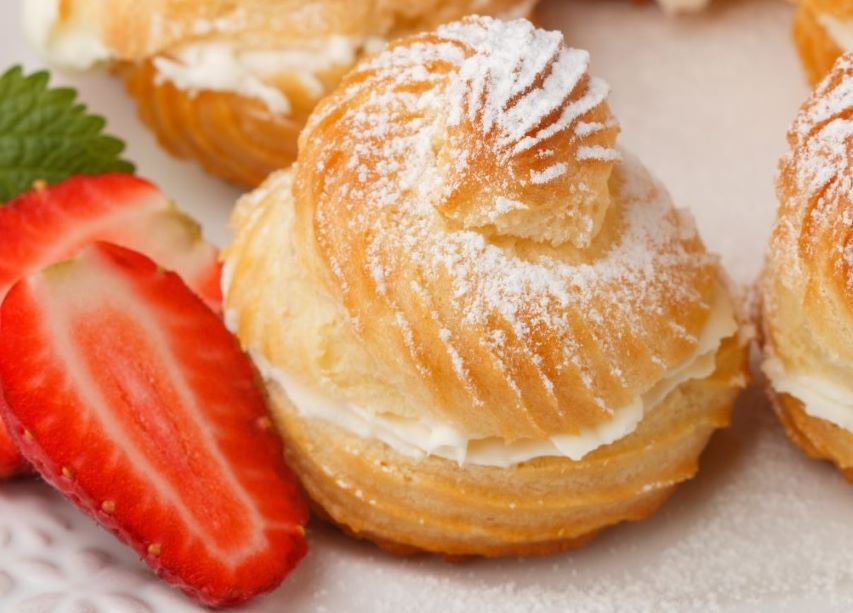
Crema diplomatica is best when you give it time to chill. The flavors come together as it rests, and the cream develops a beautifully smooth texture. Use it as a filling for Torta Diplomatica, sponge cakes, cream puffs, cannoncini, fruit tarts, and layered pastries.
For a simple dessert, spoon it into small serving glasses and top with fresh berries or sliced seasonal fruit. A light dusting of powdered sugar adds a classic Italian finish.
Storage
Store crema diplomatica in an airtight container or cover it tightly with plastic wrap pressed directly against the surface.
Refrigerate for up to 2 days. Because it contains whipped cream, the texture is best when used fresh.
Do not freeze the finished cream. Freezing can cause the whipped cream and pastry cream to separate when thawed.