Easy Homemade Almond Paste
Almond paste has a long, fragrant history that stretches across centuries, cultures, and kitchens. It’s one of those ingredients that feels simple at first glance, yet carries layers of tradition in every bite.
The story begins in the Mediterranean, where almond trees have thrived since ancient times. The Arabs are widely credited with refining early almond paste recipes during the Middle Ages, combining finely ground almonds with sugar to create a smooth, sweet mixture that could be shaped, flavored, and preserved. As Arab influence spread through North Africa and into southern Europe—especially Sicily and Spain—almond paste quickly became a staple in local sweets.
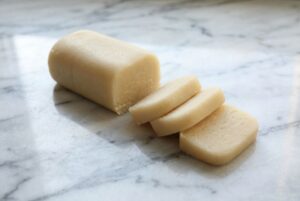
In Italy, almond paste found a permanent home. Sicily, in particular, embraced it with enthusiasm. Thanks to fertile soil and abundant almond groves, Sicilian convents and pastry kitchens began transforming almond paste into elegant desserts like pasta reale and frutta martorana—hand-shaped sweets painted to look like real fruit. These treats weren’t just desserts; they were edible art, often served during religious feasts and special celebrations.
Over time, each region put its own spin on almond paste. In France, it evolved into pâte d’amande. In Spain, it became the backbone of mazapán. Across Europe, almond paste was prized not only for its flavor but also for its ability to last longer than many fresh desserts, making it ideal for holidays and travel.
Almond Paste Is Still Loved Today
At its heart, almond paste is beautifully straightforward: ground almonds, sugar, and a touch of moisture, often from egg whites or syrup. Yet that simplicity is exactly what makes it so special. When made well, it’s soft, fragrant, and deeply nutty, with a natural sweetness that doesn’t overpower.
Today, almond paste continues to bridge the past and present. You’ll find it wrapped inside pastries, rolled into cookies, layered in cakes, or enjoyed on its own. Whether homemade in a modern kitchen or shaped by hand using centuries-old techniques, almond paste remains a timeless reminder that some of the best recipes are born from simple ingredients, shared and refined across generations.
Typical Ingredients
Traditional almond paste is made with just a handful of simple ingredients. The focus is always on the almonds, with everything else there to enhance their flavor and texture.
- Blanched almonds
Finely ground almonds form the base. or fine almond flour - Sugar
Powdered sugar is used to sweeten the paste and help bind it together. - Egg white
In some classic versions, especially Italian and French, egg white adds structure and a smoother texture. - Almond extract
A touch of almond extract enhances the almond aroma. - Liquid (water or syrup) (optional)
A small amount of liquid helps bring the mixture together.
Best uses:
- Filled pastries and croissants
- Italian cookies and cakes
- Tarts and frangipane-style fillings
- Swirled into batters for added moisture
Homemade almond paste comes together in under 15 minutes using just four simple ingredients. It’s smooth, fragrant, and incredibly versatile, perfect for adding rich almond flavor to cookies, Pignoli Cookies, cakes, Cassata Siciliana and pastries. Once you taste how fresh it is, store-bought versions won’t even compare. Plus, making it yourself means you’ll save money while keeping a classic baking staple ready whenever inspiration strikes.
Ingredients
Equipment
Instructions
- Grind almondsAdd the blanched almonds to a food processor and pulse until they’re very finely ground, pausing to scrape down the sides as needed. You’re aiming for a fine, sandy texture, stop before it turns into almond butter. Alternatively, you can use fine almond flour and save time.
- Add dry ingredientsAdd the powdered sugar and salt. Pulse again until evenly combined.
- Bring togetherSlowly add the egg white, followed by the almond extract. Process until the mixture forms a soft, smooth paste.
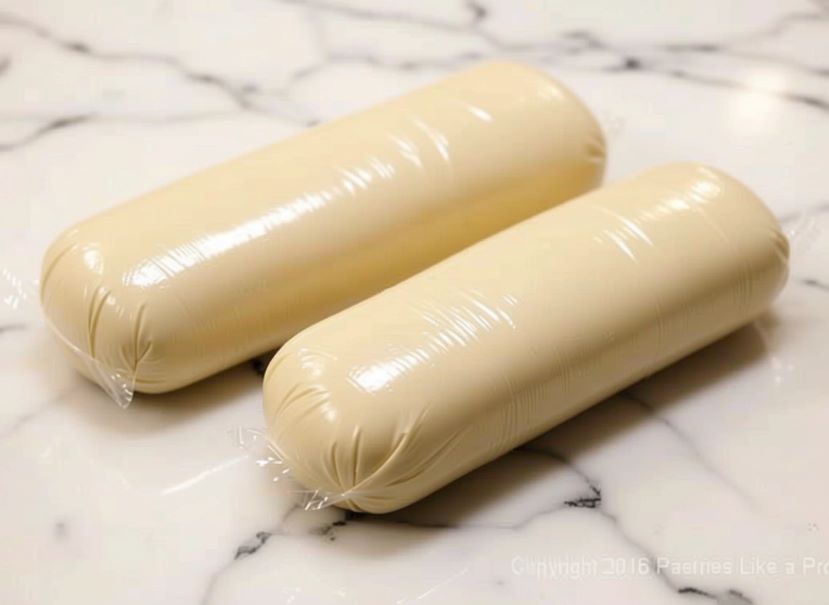
- Shape and restTurn the almond paste out onto parchment paper. Knead briefly by hand, then shape into a log or block. Wrap tightly.
Notes
Nutrition Estimated Facts -Almond Paste
Almond Paste Serving Size: 1 oz (28g)
Nutrition values are estimated and may vary by brand and sugar content.
| Nutrient | Amount | %DV |
|---|---|---|
| Calories | 120 | — |
| Total Fat | 9g | 12% |
| └ Saturated Fat | 0.7g | 4% |
| Cholesterol | 0mg | 0% |
| Sodium | 5mg | 0% |
| Total Carbohydrate | 8g | 3% |
| └ Dietary Fiber | 2g | 7% |
| └ Total Sugars | 6g | — |
| └ Added Sugars | 5g | 10% |
| Protein | 3g | 6% |
Tried this recipe?
Let us know how it was!Almond Paste vs. Marzipan
They are often confused, and it’s easy to see why. They’re made from nearly the same ingredients and look very similar. The real differences come down to ratios, texture, and how they’re used in baking.
Almond Paste
Richer, softer, and less sweet
Almond paste contains a higher percentage of almonds and less sugar. This gives it a deeper, nuttier flavor and a softer, slightly coarse texture. Because it isn’t overly sweet, it works beautifully as a filling or ingredient in baked goods.
Marzipan
Smoother, firmer, and sweeter
Marzipan has more sugar and fewer almonds, which makes it sweeter and much smoother. It’s designed to be rolled, shaped, and decorated, holding its form well at room temperature.
Key Differences
Almond content: Almond paste has more almonds; marzipan has more sugar
Sweetness: Almond paste is mildly sweet; marzipan is noticeably sweeter
Texture: Almond paste is soft and slightly grainy; marzipan is smooth and pliable
Purpose: Almond paste is for baking; marzipan is for shaping and decorating
If you want flavor and moisture in baked desserts, reach for almond paste. If you need something smooth and moldable for decorations or candies, marzipan is the better choice. Though they share a common origin, each has its own role in the kitchen—and knowing the difference makes all the difference in your final dessert.
Storage
Refrigerator:
Wrap the almond paste tightly in plastic wrap or place it in an airtight container. Store in the refrigerator for up to 2 weeks.
Freezer:
For longer storage, wrap the almond paste well, then place it in a freezer-safe bag or container. Freeze for up to 3 months.
Before using:
Let refrigerated or frozen almond paste come to room temperature before using. Knead briefly to restore its soft, workable texture.
Avoid drying out:
Always keep almond paste tightly sealed, as exposure to air will cause it to harden and lose freshness.
Crema Diplomatica (Silky Italian Cream)
Amaretto Cheesecake: A Creamy Dessert made with an Italian Soul
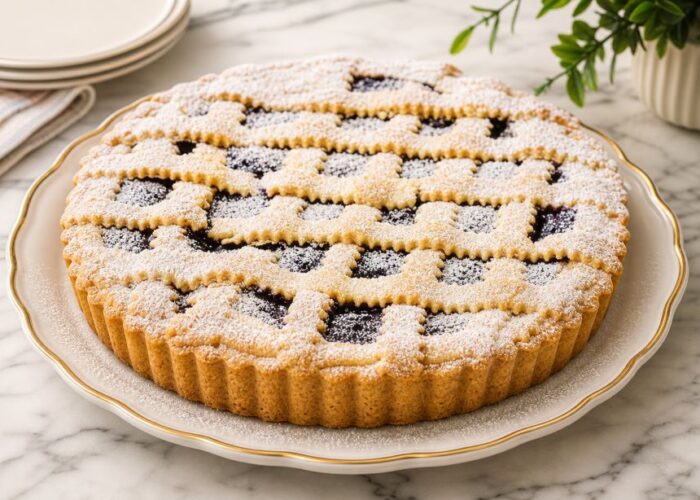
Authentic Crostata Ricotta e Visciole (Roman Ricotta and Sour Cherry Tart)
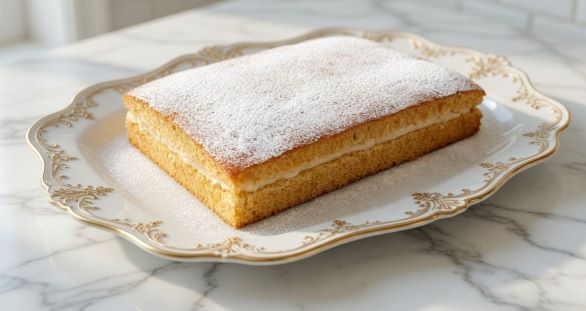
Torta Diplomatica Recipe: Italy’s Classic Layered Cream Cake
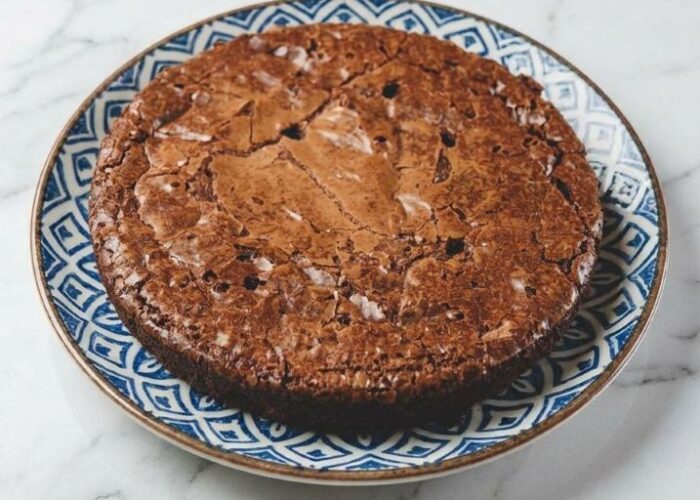
Torta Barozzi (Italian flourless chocolate cake)

Celebrating Mother’s Day with a Homemade Italian Love Cake
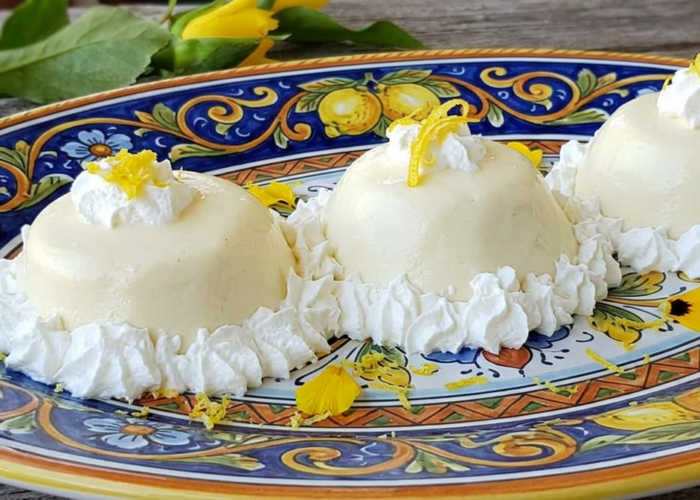
Italian Lemon Delight – Delizia al Limone
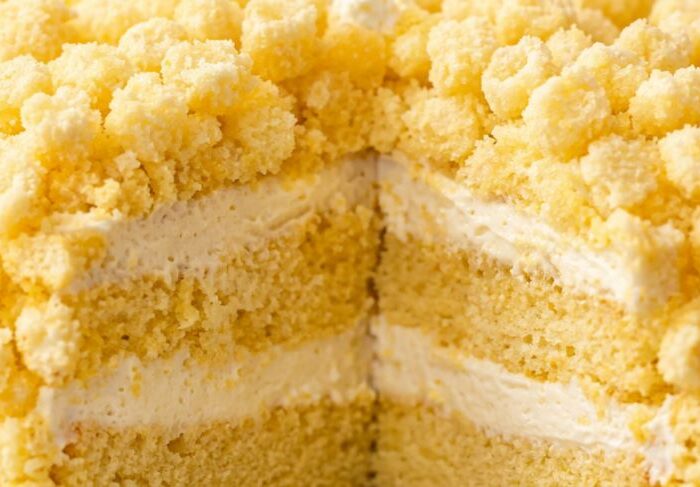
Torta di Mimosa (Italian mimosa cake)