Traditional Dutch Pepernoten: A Bite of Dutch History
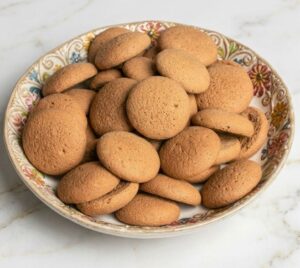
Pepernoten have a long-standing place in Dutch holiday traditions, especially during the festive celebration of Sinterklaas, which takes place on December 5th. But these little cookies are more than just seasonal sweets, they carry centuries of history and cultural meaning.
The tradition of giving out pepernoten dates back to the 16th or 17th century in the Netherlands. During Sinterklaasavond (St. Nicholas Eve), Sinterklaas and his helpers (historically known as Zwarte Piet, now often referred to as “de Pieten”) would toss handfuls of pepernoten into crowds or children’s shoes, a playful gesture meant to represent generosity, abundance, and the unpredictability of fortune.
This custom is tied to old tales of Saint Nicholas throwing coins into the homes of the needy, a symbol of kindness and surprise, which evolved into the throwing of treats.
Spices from the East
The name pepernoten literally means “pepper nuts,” pointing directly to their bold spice blend. Bakers use cinnamon, cloves, nutmeg, and even pepper. These exotic spices reached the Netherlands during the 17th-century Golden Age of trade.
At that time, the Dutch East India Company (VOC) imported spices from Indonesia and the East Indies. As a result, these flavors became central to Dutch holiday baking. Because spices were rare and expensive, cookies like pepernoten once symbolized luxury. That rarity made them especially meaningful during the winter season.
More Than Just a Cookie
The original pepernoten have become less common, as kruidnoten (with their crunch and spice) gained popularity. Still, both remain an essential part of Dutch holiday celebrations, often available in dozens of flavors (chocolate, truffle, caramel sea salt) in Dutch supermarkets each fall. Pepernoten Cookies is a delicious way to connect with a bit of Dutch history and celebrate the warmth of winter traditions.
Pepernoten vs. Kruidnoten: Why Everyone Mixes Them Up
Let’s clear something up right away: pepernoten and kruidnoten are not the same cookie. I know even in the Netherlands people mix them up all the time. You’ll often hear someone call the crunchy little spice bombs “pepernoten,” but technically, they’re talking about kruidnoten. Confusing? Totally. Delicious either way? Absolutely.
The real difference
Pepernoten are the original holiday treat. They’re soft, slightly chewy, and kind of lumpy in a charming, rustic way. Traditionally made with rye flour, honey, and a hint of anise, they taste like a cozy bite of spiced bread, less sweet, more nostalgic. Think old-school Sinterklaas vibes and childhood memories wrapped in parchment paper.
Kruidnoten, by contrast, are the crisp, poppable spice cookies that flood Dutch supermarkets every fall. Made with a heady mix of speculaaskruiden (think cinnamon, nutmeg, cloves, ginger, and pepper), they’ve got a bold, warming flavor and that satisfying crunch you can’t stop going back for. They’re more like tiny, spiced biscuits or mini speculaas cookies.
These days, it’s the kruidnoten that take center stage during Sinterklaas season. You’ll find them dipped in chocolate, coated in truffle dust, or even stuffed with caramel. But the humble pepernoot is still out there, holding its own — softer, subtler, and steeped in tradition.
So next time someone offers you a “pepernoot,” you’ll know what you’re really eating — and maybe, just maybe, you’ll want to try baking both.
Typical ingredients
Rye flour (or a mix of rye and All-purpose flour)
Brown sugar
Butter unsalted
Milk
Baking powder
Speculaas spice mix
Salt
Speculaas Spice Mix (homemade)
Cinnamon
nutmeg
cloves
Ginger
Anise (optional)
Cardamom (optional)
White pepper (optional)
Dutch pepernoten, now usually known as kruidnoten, are tiny, crunchy cookies filled with warm holiday spices. They have been part of Dutch traditions and culture for centuries.
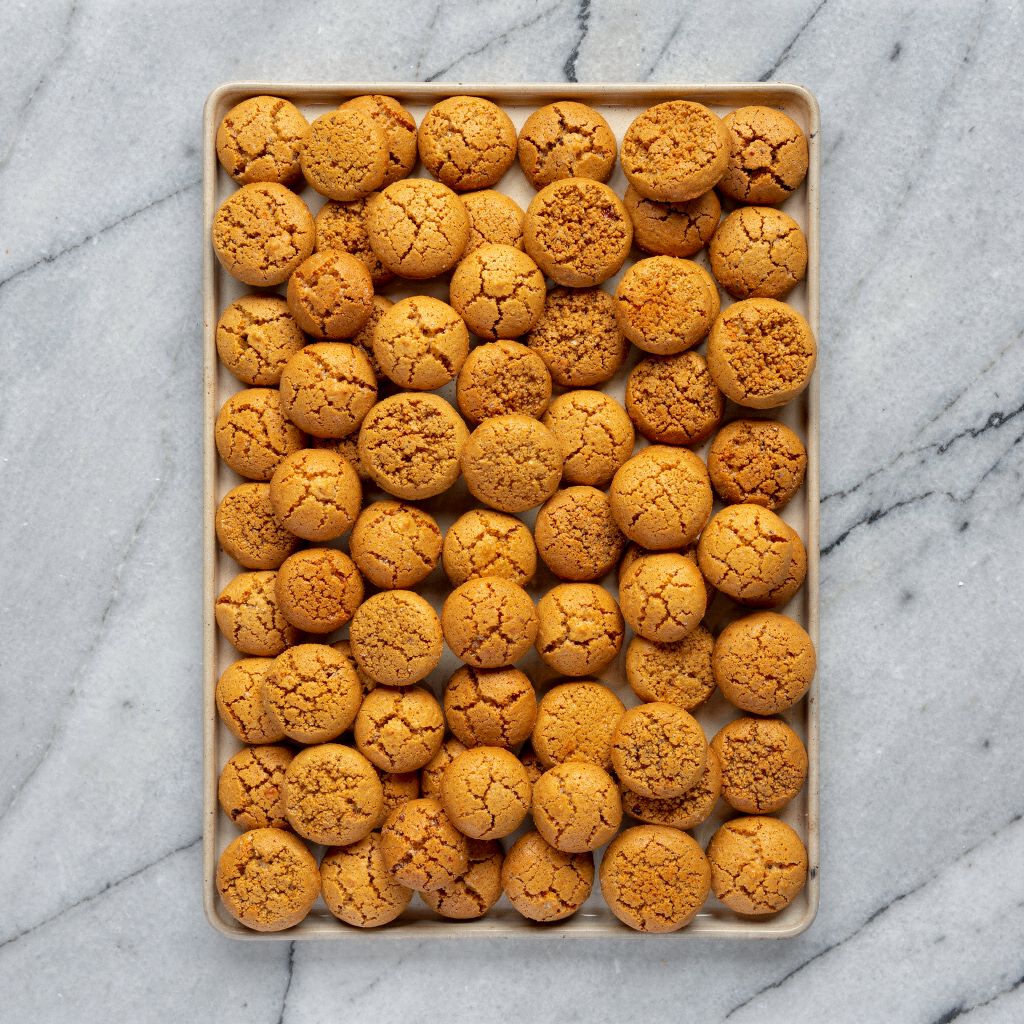
Ingredients
Instructions
- Preheat oven:Preheat oven to 160°C (320°F) fan or 175°C (350°F) conventional.
- Mix dry ingredients: In a bowl, combine flour, baking powder, spices, salt, and brown sugar.
- Add wet ingredients:Add butter and milk. Mix until a sticky dough forms. You can use hands or a spatula.
- (Optional) Chill dough for 30 minutes to help with shaping and enhance flavor.
- Shape:Roll dough into small balls (about 1.5–2 cm) – you should get around 48. Flatten slightly if you prefer a more traditional shape.
- Bake: Place on a lined baking tray with space between them. Bake for 15–20 minutes until golden brown and slightly cracked.
- Cool: Let cool on the tray for a few minutes, then transfer to a wire rack.
Notes
If rye flour is unavailable, you can use half all-purpose flour, half whole wheat for a closer approximation.
Avoid using only all-purpose flour if you want that authentic, dense chewiness. Speculaas Spices: Dutch recipes traditionally use (speculaas spice mix). Make your own for a fresher, more intense flavor. Adjust the blend to your taste, more ginger for warmth, more clove for intensity. Butter Temperature: Use softened butter (not melted) to ensure it mixes well with the sugar and flour.
Cold butter may make the dough harder to mix; melted butter may make it too sticky. Resting the Dough (Optional but Recommended): Letting the dough rest in the fridge for 30 minutes helps the spices meld and improves texture.
Dough will be easier to shape when cold, and cookies will hold their shape better. Don’t Overbake: Pepernoten should be soft and chewy, not dry.
Take them out when they’re just set and slightly golden, even if they still feel soft — they’ll firm up as they cool. Size Consistency: Roll dough balls to a consistent size to ensure even baking.
Use a small cookie scoop or weigh the dough (around 8–9 g per ball) if you want precision.
| Nutrient | Amount | %DV |
|---|---|---|
| Calories | 120 | |
| Total Fat | 4 g | 5% |
| Saturated Fat | 2 g | 10% |
| Cholesterol | 10 mg | 3% |
| Sodium | 80 mg | 3% |
| Total Carbohydrate | 19 g | 7% |
| Dietary Fiber | 1 g | 4% |
| Total Sugars | 8 g | |
| Added Sugars | 8 g | 16% |
| Protein | 2 g | 4% |
Tried this recipe?
Let us know how it was!Serving
Pepernoten are best enjoyed fresh from the oven, slightly warm and soft, but they’re just as delicious at room temperature with a cup of coffee, tea, or hot chocolate. Serve them in a big bowl for sharing during Sinterklaas celebrations, or pack them in small paper cones or treat bags for a festive touch. Try dipping one side in melted dark chocolate or pairing them with a creamy Dutch advocaat.
Storage
To keep your pepernoten fresh and tasty, store them in an airtight container at room temperature, they’ll stay good for up to one week. If you want to keep them longer, pepernoten freeze beautifully! Just place them in a sealed freezer bag or container, and they’ll keep well for up to three months. When you’re ready to enjoy them, simply thaw at room temperature or warm gently in the oven for a few minutes to bring back that soft, cozy texture.