
Homemade Pardulas – Classic Sardinian Ricotta Pastries
Pardulas, sometimes called formaggelle, are among the most loved traditional pastries from Sardinia. These small, flower-shaped tarts come from the island’s rural cooking traditions, where sheep farming and cheesemaking have long shaped everyday life. With fresh ricotta and pecorino readily available, local bakers began filling thin pastry shells with sweetened cheese, citrus zest, and fragrant saffron. Simple ingredients turned into something special. Over time, these rustic pastries became the delicate, golden treats Sardinians still treasure today.
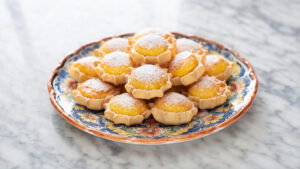
Pardulas hold a special place during Easter. Families prepare them in the days leading up to the holiday, and the pastries often appear on festive tables across the island. Their bright flavor usually scented with lemon or orange and sometimes enriched with saffron captures the freshness of spring. Bakers pinch the dough by hand to form the classic star or flower shape, giving each tart a rustic, homemade look.
After baking, many finish them with powdered sugar or a light drizzle of honey. Sweet, fragrant, and simple, pardulas reflect the heart of Sardinian baking, where tradition and family gatherings meet in every bite.
Typical Ingredients in Pardulas
Traditional pardulas from Sardinia use simple ingredients that reflect the island’s rural food traditions. Most recipes rely on fresh dairy, citrus, and a delicate pastry dough. While small variations exist from village to village, these are the ingredients most commonly used.
Pastry dough
- All-purpose flour
- Semolina flour (sometimes added for texture)
- Lard or olive oil
- Water
- A pinch of salt
Filling
- Fresh ricotta cheese or finely grated pecorino (some recipes combine both)
- Eggs
- Sugar
- Lemon or orange zest
- Saffron threads or saffron powder
- Semolina or flour (to help thicken the filling)
Finishing
- Powdered sugar
- Honey (optional drizzle after baking)
These ingredients create the classic balance that defines pardulas: a thin, lightly crisp pastry shell filled with a soft, fragrant cheese mixture that bakes into a golden, slightly creamy center.
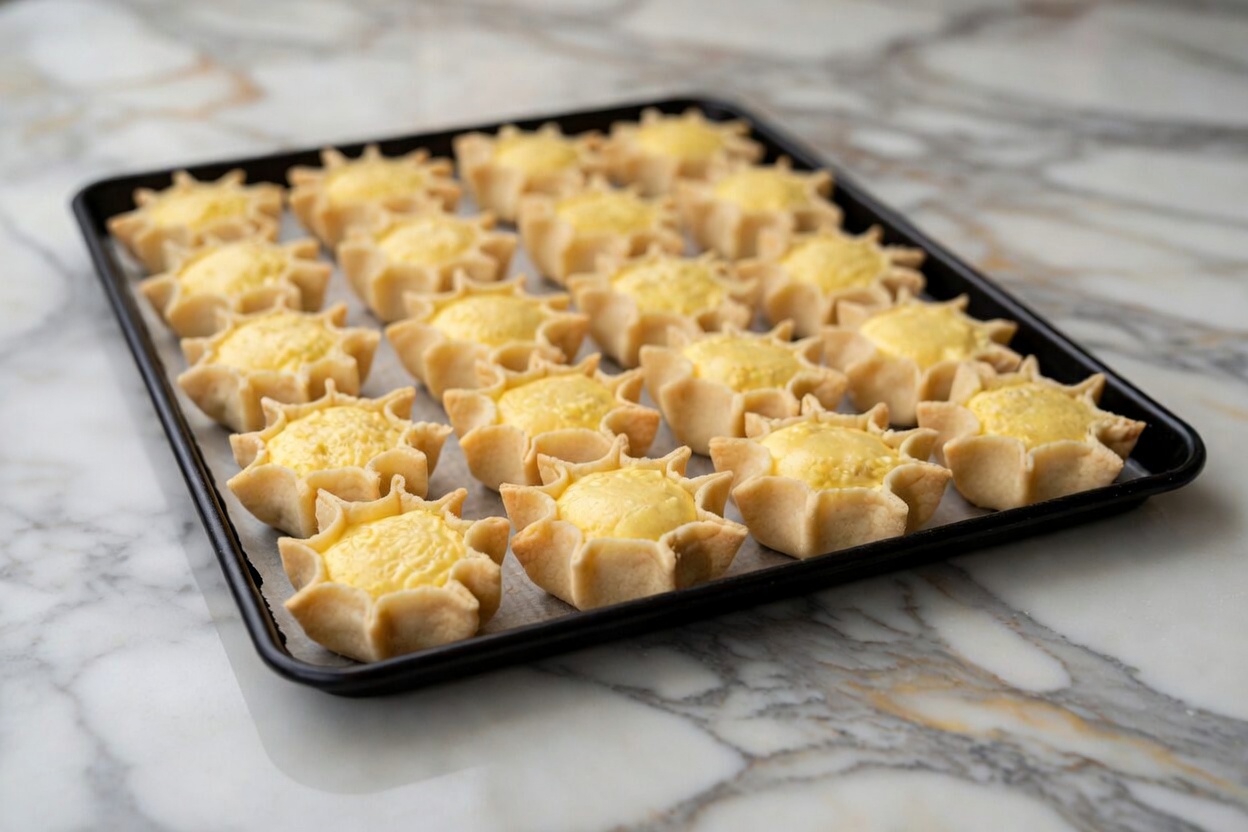
These delicate pastries from Sardinia feature thin pastry shells filled with sweet ricotta, citrus zest, and fragrant saffron. The dough is pinched by hand to form the traditional flower shape before baking into golden, lightly sweet tarts.
Ingredients
Equipment
Instructions
- Make the DoughIn a bowl, combine flour, semolina, and salt. Add olive oil and warm water. Mix until a soft dough forms. Knead for about 5 minutes until smooth. Cover and let rest for 20 minutes.
- Prepare the FillingIn another bowl, whisk ricotta and sugar until creamy. Add eggs and mix well. Stir in semolina, lemon zest, orange zest, saffron mixture, and vanilla if using. The filling should be thick but spoonable.
- Shape the Tart ShellsPreheat the oven to 350°F (175°C) and line a baking sheet with parchment paper.Roll the dough thin (about ⅛ inch). Cut 18 circles about 3½–4 inches wide.Place a tablespoon of filling in the center of each round. Gently pinch the edges upward in small folds to create the traditional flower or star shape.
- BakeArrange the tarts on the baking sheet. Bake for 22–25 minutes until the filling is set and the pastry edges turn lightly golden.
- FinishLet cool slightly. Dust with powdered sugar or drizzle lightly with honey before serving.
Notes
Nutrition Estimated Facts
Sardinian Pardulas
serving per tart (1 of 18
| Nutrition Facts (Estimated) | ||
|---|---|---|
| Nutrient | Amount | %DV |
| Calories | 165 | — |
| Total Fat | 7 g | 9% |
| Saturated Fat | 2.5 g | 13% |
| Cholesterol | 40 mg | 13% |
| Sodium | 85 mg | 4% |
| Total Carbohydrates | 20 g | 7% |
| Dietary Fiber | 1 g | 4% |
| Total Sugars | 8 g | — |
| Added Sugars | 7 g | 14% |
| Protein | 5 g | 10% |
Tried this recipe?
Let us know how it was!Serving
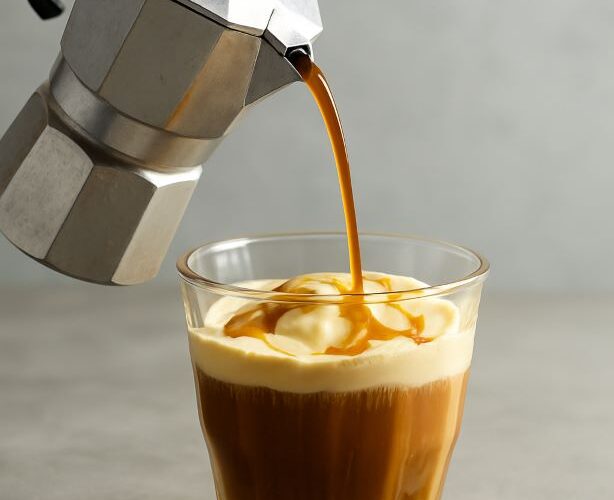
Serving Pardulas is as much about sharing a moment as it is about enjoying the pastry itself. Arrange the golden tarts on a simple wooden board or a pretty plate, letting their flower-like shapes shine. Dust them lightly with powdered sugar or drizzle a little honey for extra sparkle. They pair beautifully with a cup of strong espresso, a fragrant herbal tea, or even a small glass of sweet dessert wine. For a festive touch, serve them alongside fresh fruit or a few sprigs of spring herbs to echo the flavors of the citrus-scented filling. Pardulas hold a special place during Easter. Families prepare them in the days leading up to the holiday
Storage
Room Temperature: Store in an airtight container for 1–2 days. They stay tender and flavorful at room temperature, making them perfect for same-day enjoyment.
Refrigeration: For longer storage, keep them in the fridge for up to 5 days. Bring to room temperature or warm briefly in a low oven before serving to restore their soft, creamy texture.
Freezing: Pardulas freeze well. Place them on a baking sheet to freeze individually, then transfer to a freezer-safe bag or container for up to 2 months. Thaw overnight in the fridge and warm slightly before serving.
Avoid drizzling honey or powdered sugar before freezing; add them after thawing for best results.
Proper storage ensures each tart stays as golden, fragrant, and tender as when it first came out of the oven.
May you always find beauty and joy in the simple things of life