
Schiacciata di Pasqua Recipe
Schiacciata di Pasqua is a traditional sweet bread from Tuscany that appears in bakeries and family kitchens every year as Easter approaches. Despite the name schiacciata, which usually means a flatbread, this version is actually tall, soft, and slightly domed. Its golden crumb and delicate aroma of anise and citrus make it one of the most recognizable Easter desserts in central Italy.
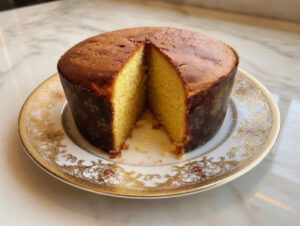
The recipe comes from the Tuscan countryside, especially the province of Pisa and nearby towns. For generations, families prepared it during the days leading up to Easter. Baking the bread was often a community activity. Large batches were made at home and then taken to local wood-fired ovens or neighborhood bakeries to bake. The process could take many hours because the dough traditionally relied on natural fermentation and several slow rises.
Historically, Schiacciata di Pasqua was more than just a dessert. It symbolized celebration after the long fasting period of Lent. Ingredients such as eggs, sugar, and butter—once considered luxurious—returned to the table for the holiday. The bread’s rich dough reflected the joy of Easter and the end of winter scarcity.
One of the defining flavors of this sweet bread is anise, often added as seeds or infused liqueur. Citrus zest and vanilla are also common, giving the bread a fragrant and festive character. After baking, many versions are dusted with powdered sugar or glazed lightly to enhance their soft sweetness.
Today, Schiacciata di Pasqua remains an important part of Tuscan Easter traditions. Families slice it for breakfast on Easter morning, serve it with coffee or sweet wine, or enjoy it as an afternoon treat during holiday gatherings. Though modern recipes may shorten the fermentation time, the spirit of the bread—slow, celebratory, and deeply tied to local culture—continues to reflect the warmth and heritage of Tuscan cooking.
Typical ingredients in traditional recipe:
Flour
Eggs
Sugar
Butter or Olive Oil
Milk
Fresh Yeast
Anise Seeds or Anise Liqueur
Citrus Zest
Vanilla extract
Salt
Powdered Sugar (Optional)
Schiacciata di Pasqua is a tall, fragrant sweet bread traditionally prepared in Tuscany for Easter celebrations. Unlike the flat focaccia that shares its name, this version is soft, airy, and enriched with eggs, citrus, and anise. The slow rising process gives it a delicate texture and deep flavor.
These ingredients come together to create a bread that is fragrant, lightly sweet, and perfect for Easter gatherings. While the exact proportions may vary from family to family, the combination of eggs, citrus, and anise is what gives Schiacciata di Pasqua its distinctive Tuscan character.
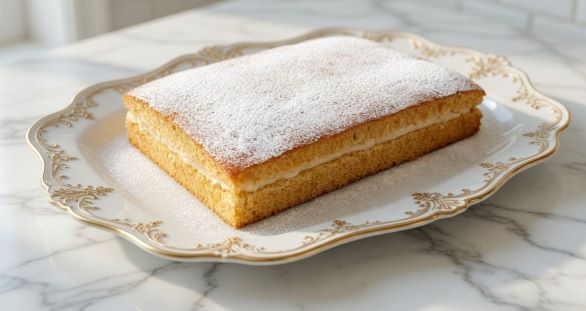
Once cooled, the bread is usually finished in the simplest way, just a light dusting of powdered sugar. It’s then sliced thick and enjoyed.
Ingredients
Equipment
Instructions
- Activate the YeastIn a bowl, mix lukewarm milk, yeast, and 1 tablespoon sugar.Let it sit 5–10 minutes until foamy.
- Mix the DoughIn a large bowl combine, Flour, Remaining sugar, SaltAdd: Eggs, Yeast mixture, Vanilla, Citrus zest, Anise seeds or liqueurMix until a soft dough begins to form.
- Add ButterGradually add the softened butter, mixing until fully incorporated.Knead the dough 8–10 minutes until smooth and elastic.
- First RisePlace the dough in a lightly greased bowl.Cover and let rise 2–3 hours, or until doubled in size.
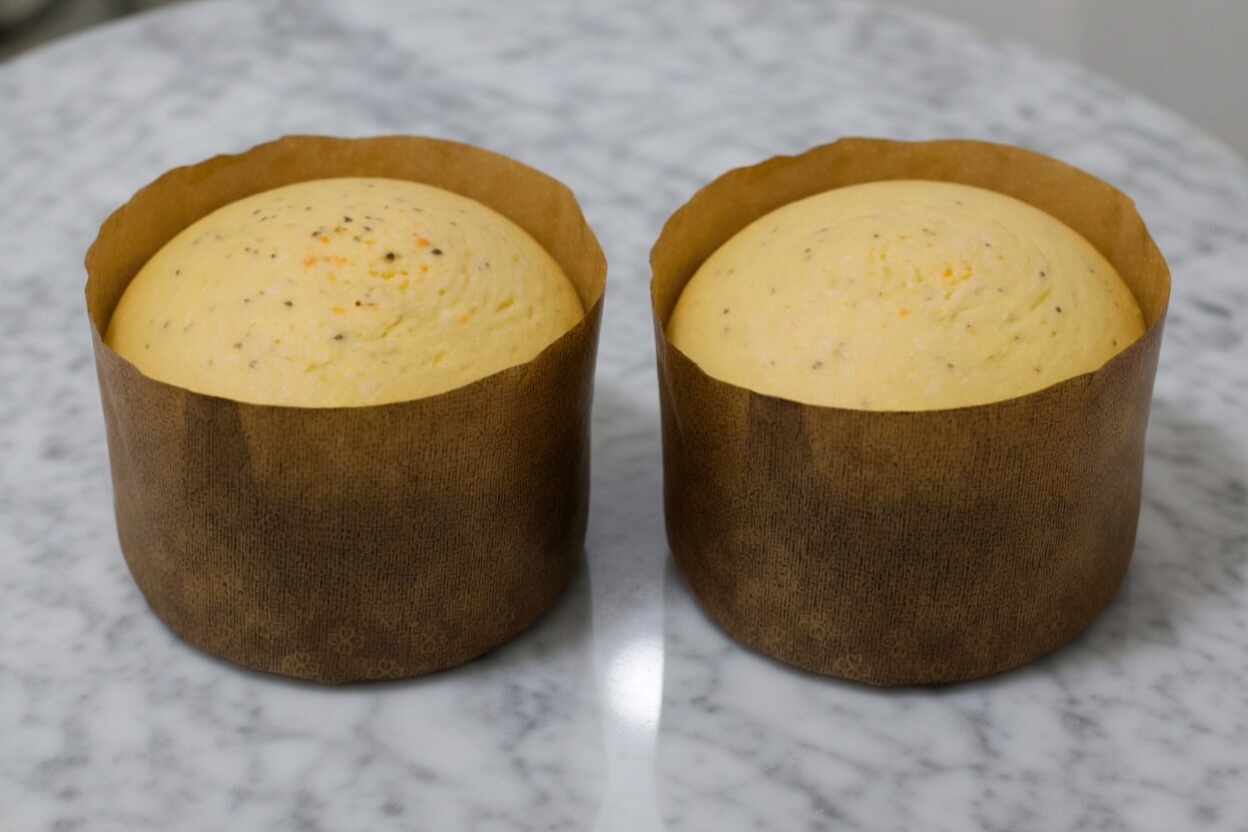
- Shape the CakesDivide the dough into two equal portions.Shape each into a smooth ball and place into the molds.
- Second RiseCover lightly and let rise again 1½–2 hours until the dough fills most of the mold.
- BakePreheat oven to 350°F (175°C).Bake 40–50 minutes until golden brown and a skewer inserted comes out clean.If the top browns too quickly, cover loosely with foil during the last 15 minutes.
- CoolAllow the cakes to cool 20 minutes in the mold, then transfer to a rack.Dust with powdered sugar before serving.
Notes
Nutrition Estimated Facts
Schiacciata di Pasqua
Tuscan Easter cake
| Nutrient | Amount | %DV |
|---|---|---|
| Calories | 240 | — |
| Total Fat | 8 g | 10% |
| Saturated Fat | 4 g | 20% |
| Cholesterol | 55 mg | 18% |
| Sodium | 150 mg | 7% |
| Total Carbohydrates | 36 g | 13% |
| Dietary Fiber | 1 g | 4% |
| Total Sugars | 11 g | — |
| Added Sugars | 10 g | 20% |
| Protein | 6 g | 12% |
Tried this recipe?
Let us know how it was!Serving
Schiacciata di Pasqua is traditionally a centerpiece of Easter celebrations in Tuscany. Serving it in the right way enhances its flavor, texture, and festive appeal.
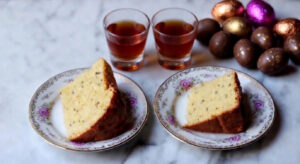
Slice Thick and Rusti, Schiacciata di Pasqua is best eaten the same day or the day after baking, when the bread is soft, tender, and fragrant
Pair with Drinks
Coffee or cappuccino: Perfect for breakfast or mid-morning Easter treats.
Sweet wine or Vin Santo: Adds elegance for an Easter brunch or dessert course. Hot chocolate or tea: Ideal for children or afternoon gatherings.
As Part of a Meal
Serve alongside other Italian Easter favorites like torta pasqualina, cured meats, cheeses, or fresh fruit. Works well as a sweet side for brunch or as a dessert centerpiece for Easter lunch.
Storage
Room Temperature: Wrap the cooled bread tightly in plastic wrap or place it in an airtight container. It will stay fresh for 2–3 days at room temperature. Keep it away from direct sunlight or heat sources to prevent drying out.
Freezing: For longer storage, slice the bread first, then wrap individual slices or whole cakes in plastic wrap and place them in a freezer-safe bag. Schiacciata di Pasqua can be frozen for up to 1–2 months. Thaw at room temperature before serving.
Avoid Refrigeration: Storing this sweet bread in the fridge can dry it out quickly, so it’s better to keep it at room temperature or frozen if you need extra shelf life.
After Storage: If the bread has slightly dried, you can refresh it by warming slices in a low oven (about 300°F / 150°C) for 5–10 minutes, or lightly toasting slices for breakfast or snack time. This brings back some of the soft, tender texture and fragrant aroma.
Orange or/both Lemon to taste… Thank you!