
Ingredients
Equipment
Instructions
- Activate the YeastIn a bowl, mix lukewarm milk, yeast, and 1 tablespoon sugar.Let it sit 5–10 minutes until foamy.
- Mix the DoughIn a large bowl combine, Flour, Remaining sugar, SaltAdd: Eggs, Yeast mixture, Vanilla, Citrus zest, Anise seeds or liqueurMix until a soft dough begins to form.
- Add ButterGradually add the softened butter, mixing until fully incorporated.Knead the dough 8–10 minutes until smooth and elastic.
- First RisePlace the dough in a lightly greased bowl.Cover and let rise 2–3 hours, or until doubled in size.
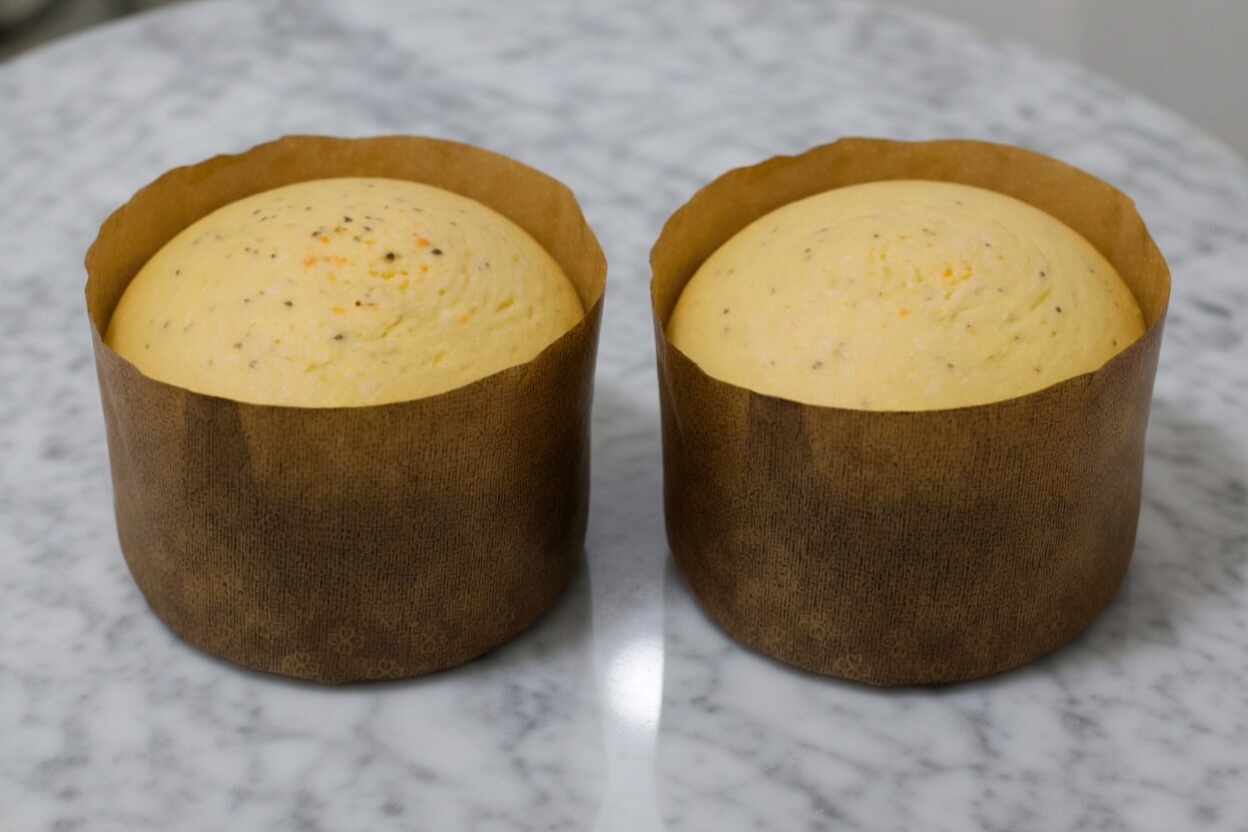
- Shape the CakesDivide the dough into two equal portions.Shape each into a smooth ball and place into the molds.
- Second RiseCover lightly and let rise again 1½–2 hours until the dough fills most of the mold.
- BakePreheat oven to 350°F (175°C).Bake 40–50 minutes until golden brown and a skewer inserted comes out clean.If the top browns too quickly, cover loosely with foil during the last 15 minutes.
- CoolAllow the cakes to cool 20 minutes in the mold, then transfer to a rack.Dust with powdered sugar before serving.
Notes
Use room-temperature ingredients: Eggs, butter, and milk should be at room temperature before mixing. This helps the dough combine more evenly and improves the texture of the finished bread.
Be patient with the rising time: Traditional versions of this bread are known for their slow fermentation. Allowing the dough enough time to rise fully will give the bread its light, airy structure and richer flavor.
Knead the dough well: A well-kneaded dough develops gluten, which helps the bread rise properly and creates the soft, slightly elastic crumb that this Tuscan Easter bread is known for.
Adjust flour if needed: If the dough feels too sticky, add a small amount of flour, one tablespoon at a time. The dough should remain soft but manageable.
Do not overbake: Bake until the top is golden and a skewer inserted in the center comes out clean. Overbaking can dry out the bread and make it less tender.
Let the bread cool completely: Allow the cakes to cool on a rack before slicing. This helps the crumb set and keeps the bread from becoming dense.
Dust just before serving: If you plan to finish the bread with powdered sugar, add it right before serving so it stays fresh and visually appealing.
Most of the calories come from flour, sugar, and butter, while the fat comes primarily from butter and eggs. The sugar content contributes to the subtle sweetness, and the protein comes from eggs and milk. This combination gives Schiacciata di Pasqua its soft, rich, and tender texture, making it a festive and indulgent Easter treat.
Nutrition Estimated Facts
Schiacciata di Pasqua
Tuscan Easter cake
Serving Size: 1 slice (1/12 of one cake)
Servings Per Recipe: 24 (2 cakes)
| Nutrient | Amount | %DV |
|---|---|---|
| Calories | 240 | — |
| Total Fat | 8 g | 10% |
| Saturated Fat | 4 g | 20% |
| Cholesterol | 55 mg | 18% |
| Sodium | 150 mg | 7% |
| Total Carbohydrates | 36 g | 13% |
| Dietary Fiber | 1 g | 4% |
| Total Sugars | 11 g | — |
| Added Sugars | 10 g | 20% |
| Protein | 6 g | 12% |