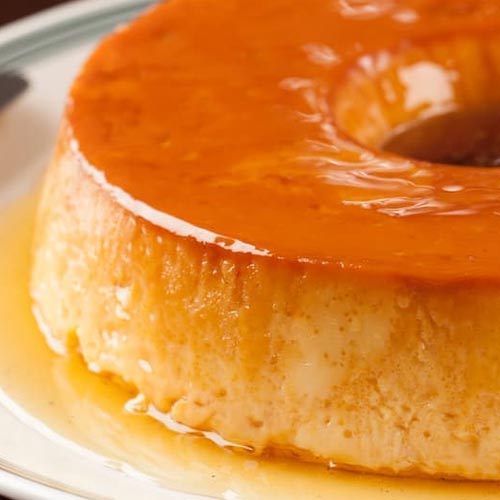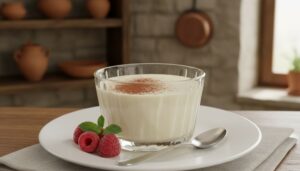
There’s a certain magic to desserts that are both breathtakingly elegant and deceptively simple. In the world of Italian sweets, nothing captures this spirit quite like panna cotta. Meaning “cooked cream” in Italian, this dessert is a testament to the beauty of quality ingredients. Forget complicated techniques and long ingredient lists; the soul of a traditional Italian panna cotta lies in its velvety, creamy texture and a delicate sweetness that melts in your mouth. It’s the kind of dessert that quiets a dinner table, earning appreciative sighs with every spoonful. This guide is here to demystify the process, providing you with a real italian panna cotta recipe that honors its origins. We’ll walk you through every step, ensuring you can create a show-stopping dessert that is as versatile as it is delicious.
The Authentic Italian Panna Cotta Recipe: A Step-by-Step Guide
Welcome to the definitive guide for making the best italian panna cotta recipe right in your own kitchen. The secret to this classic isn’t a complex procedure; it’s a commitment to quality and a gentle touch. With just a handful of ingredients, the character of each one shines through, so choosing the best you can find is the first step toward perfection. This isn’t just about following steps; it’s about understanding the “why” behind them to achieve that signature, delicate wobble. This panna cotta traditional recipe is your blueprint for a dessert that’s light, creamy, and undeniably authentic. Prepare to impress yourself, your family, and your guests with a dessert that embodies the simple elegance of Italian cuisine.
Essential Ingredients for a Traditional Panna Cotta
The foundation of an unforgettable panna cotta is built on simple, high-quality components. There’s nowhere for subpar ingredients to hide, so each one counts. Here’s exactly what you’ll need for this panna cotta authentic recipe.
-
2 cups (480ml) Heavy Cream: Use a high-quality, full-fat heavy cream (at least 36% milk fat). This is the star of the show, responsible for the rich flavor and luscious, silky mouthfeel.
-
⅓ cup (67g) Granulated Sugar: Just enough to add a delicate sweetness without overpowering the cream’s natural flavor.
-
1 Vanilla Bean: The tiny seeds from a real vanilla bean provide an unmatched depth and aroma that vanilla extract simply can’t replicate. If you must substitute, use 1 teaspoon of high-quality vanilla bean paste or pure vanilla extract.
-
1 ½ teaspoons (about 4g) Unflavored Gelatin Powder: This is our setting agent. The key is to use just enough to give the panna cotta structure and its famous wobble, but not so much that it becomes firm or rubbery.
-
2 tablespoons Cold Water: Used to “bloom” the gelatin, which is a crucial first step for a smooth final product.
Step-by-Step Instructions for Perfection
Follow these steps carefully, and you’ll be rewarded with a flawless Italian dessert. The process is straightforward, but precision is key to achieving that perfect texture.
-
Step 1: Bloom the Gelatin: Pour the 2 tablespoons of cold water into a small bowl. Sprinkle the gelatin powder evenly over the surface of the water. Do not stir. Let it sit for 5-10 minutes. The gelatin will absorb the water and become soft and jelly-like. This “blooming” process ensures the gelatin dissolves smoothly into the cream without lumps.
-
Step 2: Infuse the Cream: While the gelatin blooms, pour the heavy cream and sugar into a medium saucepan. Take your vanilla bean, slice it in half lengthwise, and use the back of the knife to scrape out all the precious seeds. Add both the seeds and the pod to the cream. Place the saucepan over medium-low heat. Heat the mixture gently, stirring occasionally, just until the sugar has completely dissolved and the cream is warm and steamy. Crucially, do not let it boil. Boiling can scorch the cream and affect how the gelatin sets.
-
Step 3: Combine and Dissolve: Remove the cream mixture from the heat. Fish out the vanilla pod. Now, add the bloomed gelatin to the warm cream. Whisk gently but thoroughly for about a minute until the gelatin has completely dissolved into the cream. You shouldn’t see any granules remaining.
-
Step 4: Strain and Pour: For an impeccably smooth, professional-quality panna cotta, strain the mixture through a fine-mesh sieve into a pitcher or a bowl with a spout. This catches any stray bits of vanilla pod or undissolved gelatin. Carefully pour the strained mixture into your desired serving vessels—ramekins, small glasses, or silicone molds all work beautifully.
-
Step 5: Chill and Set: Cover the molds with plastic wrap, being careful not to let the wrap touch the surface of the cream. Refrigerate for at least 4 hours, though 6 hours or overnight is even better to ensure it is fully set. The patience here is what allows the magic to happen!
Tips for the Best Panna Cotta Every Time
Mastering this traditional italian panna cotta recipe is about embracing a few key principles that guarantee success.
-
Gentle Heat is Your Best Friend: We can’t stress this enough: never boil your cream. Overheating can give the cream a cooked flavor and can weaken the gelatin’s setting power. A gentle, patient warming is all you need to dissolve the sugar and infuse the vanilla.
-
Strain for Silkiness: Don’t skip the straining step! It’s the single best way to guarantee a perfectly smooth, luxurious texture. It’s a quick step that makes a world of difference, separating a good panna cotta from a great one.
-
Master the Wobble: The hallmark of an authentic italian panna cotta is its delicate jiggle. If your panna cotta is too firm, you’ve likely used a bit too much gelatin. If it’s too soft, you may need a tiny bit more next time. This recipe is balanced for the perfect wobble, but feel free to adjust by a ¼ teaspoon in future batches to suit your preference.
-
Demolding with Grace: If you want to serve your panna cotta on a plate, demolding is easy. Fill a bowl with warm (not hot) water. Dip the bottom of your ramekin into the water for about 5-10 seconds. Run a thin knife around the edge, place a serving plate on top, and confidently invert it. The panna cotta should slide out beautifully.
Conclusion: Your Passport to Italian Dessert Perfection
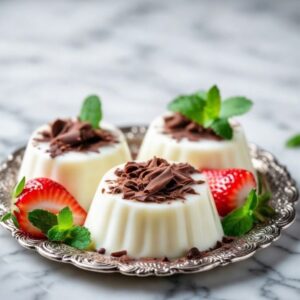 You’ve now unlocked the secrets to one of Italy’s most beloved desserts. By focusing on high-quality ingredients and following these simple, precise steps, you’ve learned more than just a recipe—you’ve learned a technique. This italian dessert panna cotta recipe is a foundation for endless creativity. Imagine it served with a tart raspberry coulis, a rich caramel sauce, a drizzle of aged balsamic vinegar, or simply a handful of fresh, seasonal berries. Each bite of this creamy, delicate dessert is a small celebration, a moment of pure, simple pleasure.
The beauty of the panna cotta recipe italian style is its understated elegance. It doesn’t scream for attention; it confidently waits to be discovered. Now, the kitchen is yours. Embrace the process, trust the ingredients, and don’t be afraid to make it your own. We invite you to try this traditional panna cotta recipe and bring a true taste of Italy to your table. Share your creations, your variations, and your success stories. Buon appetito!
Frequently Asked Questions (FAQs)
Q: Why didn’t my traditional Italian panna cotta set properly?
A: There are a few common culprits. First, your gelatin may not have dissolved completely in the warm cream. Make sure to whisk until no granules are visible. Second, the cream mixture might have been too hot when you added the gelatin, which can weaken it. Lastly, ensure you’re using the correct amount of gelatin and giving it enough time to chill—at least 4-6 hours.
Q: Can I use vanilla extract instead of a whole vanilla bean?
A: Yes, you can. While a vanilla bean offers the most authentic and complex flavor, you can substitute it with 1 teaspoon of high-quality vanilla bean paste or pure vanilla extract. Add the extract after you remove the cream from the heat to preserve its flavor.
Q: Why is my panna cotta rubbery?
A: A rubbery texture is almost always the result of using too much gelatin. The goal is a delicate, creamy set with a slight wobble, not a firm, Jell-O-like consistency. If you find yours is too firm, simply reduce the amount of gelatin slightly the next time you make this panna cotta authentic recipe.
Q: How long does panna cotta last in the refrigerator?
A: Properly covered, panna cotta will keep well in the refrigerator for up to 3 to 4 days. Its flavor and texture are best within the first two days, making it a perfect make-ahead dessert for dinner parties.
Q: Can I make a dairy-free or vegan version of this recipe?
A: Absolutely! You can create a delicious dairy-free version by substituting the heavy cream with full-fat coconut milk or a blend of other plant-based creams like cashew or almond. For a vegan version, you’ll need to replace the gelatin with a plant-based alternative like agar-agar powder. Note that agar-agar sets more firmly and requires a different preparation method (it needs to be boiled), so you will need to adjust the recipe accordingly.