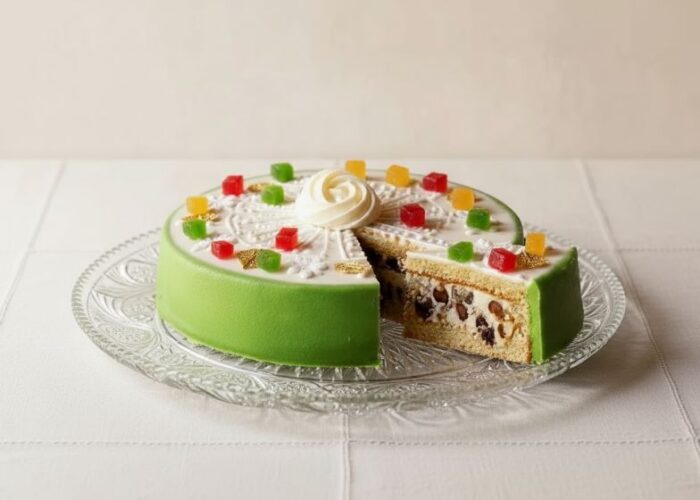
Soft, airy, and beautifully simple, Pan di Spagna stands among the most beloved cakes in Italian baking. Its light texture and delicate flavor make it a perfect base for many traditional desserts. Bakers layer it with pastry cream, soak it with liqueur syrup, or fill it with fresh fruit. As a result, this classic sponge cake is prized for both its versatility and elegance.
Easy Pan di Spagna Recipe – Italian Sponge Cake
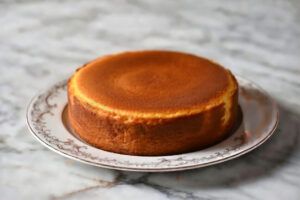
Despite its Italian name, the story of Pan di Spagna literally “Spanish bread” begins in the 18th century. Italian pastry chef Giovan Battista Cabona created the cake while working for the Genoese ambassador to the Spanish court. During a diplomatic visit to Madrid, Cabona prepared an unusually light and airy cake to honor the Spanish royal family.
The dessert quickly impressed the court and soon became a favorite. Because it gained fame in Spain, people named it Pan di Spagna, meaning “Spanish bread.” Yet its creator actually came from Genoa. Eventually, the recipe traveled back to Italy. There, it became a cornerstone of Italian pastry traditions.
Unlike many sponge cakes, Pan di Spagna uses no baking powder. Instead, it rises entirely from whipped eggs. Bakers beat eggs and sugar until thick and airy. Then they gently fold in flour. This careful technique creates a naturally fluffy cake with a fine, delicate crumb.
In addition, the cake contains very little fat. Because of this, the texture stays light and slightly springy. Bakers often brush the layers with flavored syrups or liqueurs. This step adds moisture and depth while keeping the sponge soft.
Today, Pan di Spagna plays a starring role in many Italian desserts. It forms the base of layered celebration cakes, fruit-filled tortes, and festive pastries. Bakers often pair it with pastry cream (crema pasticcera), chocolate ganache, whipped cream, or seasonal fruit.
Thanks to its mild flavor, the fillings truly shine. For this reason, Italian bakers have loved it for generations. From family celebrations to elegant pastry shop displays, Pan di Spagna continues to showcase the beauty of simple ingredients and skilled baking.
In many ways, this humble sponge cake captures the heart of Italian baking, simple, refined, and deeply rooted in tradition.
Typical Ingredients in Pan di Spagna
Traditional Pan di Spagna uses only a few simple ingredients. However, the technique, especially how the eggs and sugar are whipped makes all the difference. Because the cake relies on air for its structure, every ingredient plays an important role in creating its light, delicate texture.
All-Purpose Flour
Eggs
Granulated Sugar
Cornstarch or Potato Starch (Optional)
Vanilla or Lemon Zest (Optional Flavoring)
Pinch of Salt (Optional)
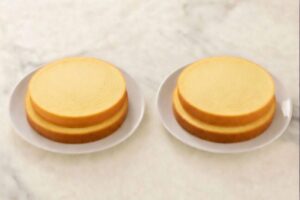
Unlike many modern cakes, Pan di Spagna contains no butter, oil, or chemical leaveners. Instead, its signature lightness comes entirely from well-whipped eggs and careful folding. This simple ingredient list is what gives the cake its classic airy texture and makes it ideal for layered desserts filled with creams, syrups, and fruit.
Pan di Spagna often serves as the base for layered desserts such as Tiramisu, Zuccotto, Cassata, and Zuppa Inglese. Bakers also soak the sponge with flavored syrups and layer it with creams and fresh fruit to create light, elegant cakes.
Whether layered with pastry cream, whipped cream, chocolate, or fresh fruit, Pan di Spagna provides the perfect light foundation for elegant cakes and festive desserts. Its simplicity and versatility have made it a staple in Italian pastry kitchens for generations.
Ingredients
Equipment
Instructions
- Prepare the panFirst, preheat the oven to 350°F (175°C).Then lightly grease the cake pan and line the bottom with parchment paper.
- Whip the eggs and sugarNext, place the eggs and sugar in a large mixing bowl.Beat with a mixer on high speed for 8–10 minutes until the mixture becomes pale, thick, and tripled in volume. The batter should form soft ribbons when lifted.
- Add flavoringThen mix in the vanilla extract or lemon zest and a pinch of salt.
- Fold in the dry ingredientsIn another bowl, combine the sifted flour and cornstarch.Gradually fold the dry ingredients into the egg mixture using a spatula. Work gently so the batter stays light and airy.
- Transfer the batterPour the batter into the prepared cake pan and gently smooth the top.
- BakeBake for 35–40 minutes, or until the cake is golden and a toothpick inserted in the center comes out clean.
- Cool the cakeLet the cake cool in the pan for 10 minutes.Then carefully transfer it to a wire rack and allow it to cool completely.
Notes
Pan di Spagna, estimated per serving (1/12 of the cake)
| Nutrient | Amount | %DV* |
|---|---|---|
| Calories | 180 kcal | 9% |
| Total Fat | 3 g | 4% |
| Saturated Fat | 1 g | 5% |
| Cholesterol | 70 mg | 23% |
| Sodium | 30 mg | 1% |
| Total Carbohydrates | 35 g | 13% |
| Dietary Fiber | 0.5 g | 2% |
| Added Sugars | 17 g | 34% |
| Protein | 5 g | 10% |
| Vitamin D | 0.5 mcg | 3% |
| Calcium | 20 mg | 2% |
| Iron | 1 mg | 6% |
| Potassium | 60 mg | 2% |
*Percent Daily Values (%DV) are based on a 2,000-calorie diet.
The main calorie contributors in Pan di Spagna are the eggs and sugar, which provide most of the protein and carbohydrates. Fat content is minimal since the traditional recipe contains little to no butter or oil. The sugar also contributes to the added sugars value, which is the highest %DV in this cake.Tried this recipe?
Let us know how it was!Serve
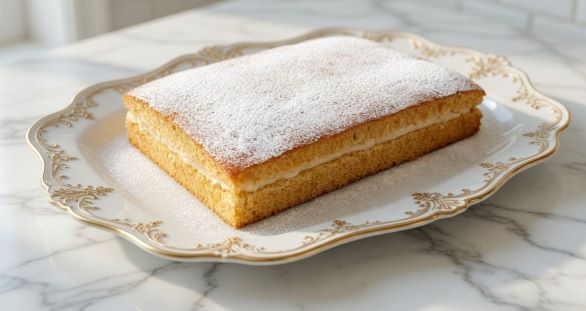
Classic and simple: Dust the top with powdered sugar and serve slices with a cup of coffee or tea.
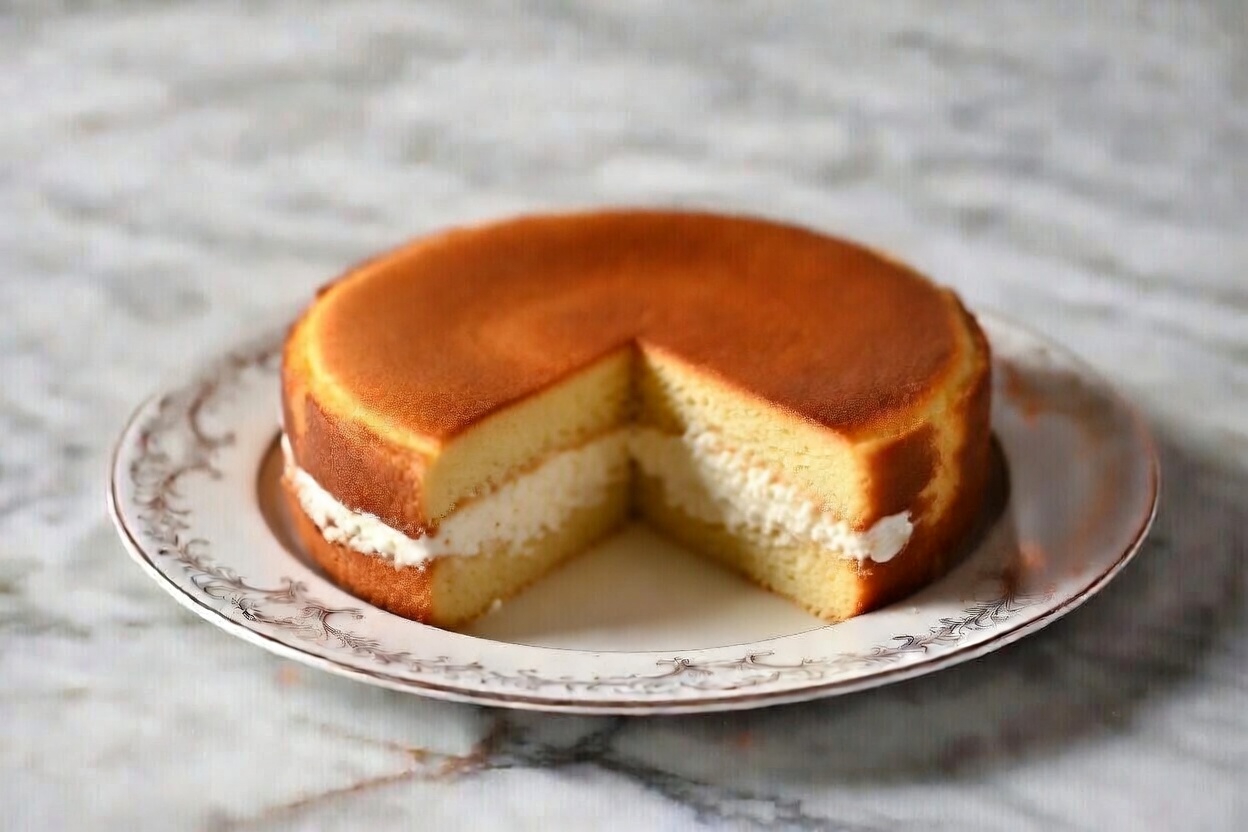
Layered desserts: Slice the sponge horizontally and brush with flavored syrup, liqueur, or coffee. Layer with pastry cream, whipped cream, chocolate ganache, or fresh fruits for elegant desserts.
Italian favorites: Use it as the base for Tiramisu, Cassata, or Zuccotto.
Festive cakes: Decorate with fresh berries, edible flowers, or a light glaze for birthdays, holidays, or special occasions.
With accompaniments: Pair with sauces such as chocolate, fruit coulis, or a drizzle of liqueur for extra flavor.
Storage
Pan di Spagna is best served fresh or within a day of assembling layered desserts,
Whole or sliced: Wrap the cooled cake tightly in plastic wrap or place it in an airtight container.
Room temperature: Keep in a cool, dry place away from direct sunlight. for up to 2 days.
Refrigeration:
Wrap the cake in plastic wrap and then aluminum foil or place it in an airtight container. Refrigerate for up to 5–7 days.
Before serving: Bring to room temperature for the best texture.
Freezing
Wrap well: Slice the cake if desired, wrap each layer tightly in plastic wrap, then in foil, and place in a freezer-safe bag or container. (Up to 2 Months)
Thawing: Transfer to the refrigerator overnight, then bring to room temperature before assembling or serving.