Try this traditional Colomba di Pasqua Recipe
Few desserts capture the spirit of Italian Easter quite like Colomba di Pasqua. With its soft, airy texture, delicate citrus aroma, and crunchy almond topping, this beautiful dove-shaped bread has become one of the most beloved treats served during Easter celebrations across Italy. But beyond its sweet flavor and festive shape lies a story rooted in symbolism, tradition, and a bit of modern Italian creativity.
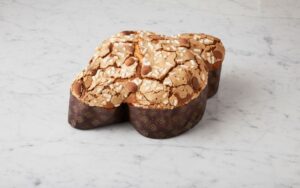
The name colomba means “dove” in Italian, and the bread is intentionally shaped like the graceful bird. In Christian tradition, the dove represents peace, renewal, and hope themes closely connected to Easter and the celebration of rebirth. Serving a dove-shaped bread during Easter meals is meant to symbolize harmony and new beginnings after the solemn period of Lent.
This symbolism is one of the reasons Colomba di Pasqua became such a meaningful centerpiece on the Easter table. Its shape alone tells a story, making it more than just dessert—it becomes part of the celebration itself.
A Modern Tradition
Although Colomba di Pasqua feels like an ancient Italian tradition, its widespread popularity is actually quite recent. The modern version of the bread was introduced in the 1930s by the Italian baking company Motta in the northern city of Milan. The company was already famous for producing Panettone, a holiday bread traditionally eaten at Christmas.
To keep their factories active outside the Christmas season, Motta’s bakers created a new Easter cake using a dough similar to panettone, but shaped like a dove and topped with almonds and pearl sugar. The idea was a success, and the bread quickly spread throughout Italy.
Over time, Colomba di Pasqua evolved from a clever marketing idea into a cherished holiday tradition, now baked in homes and bakeries across the country.
What Makes Colomba di Pasqua Special
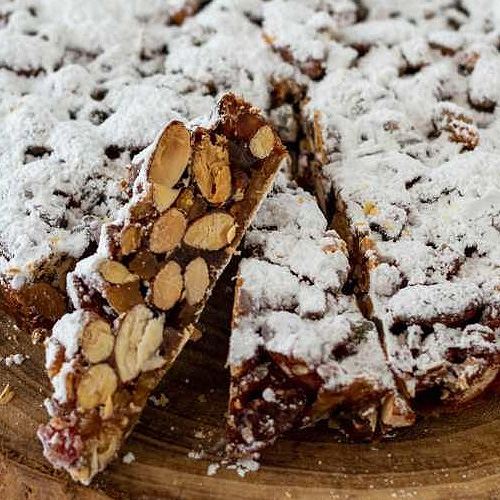
While similar to panettone in texture, Colomba di Pasqua has its own distinctive character. The dough is rich yet light, typically flavored with orange zest or candied citrus peel. Before baking, the top is covered with a sweet glaze made from egg whites, sugar, and ground almonds, then sprinkled generously with whole almonds and coarse sugar.
The result is a wonderful contrast of textures:
- Soft and fluffy interior
- Fragrant citrus notes
- Crunchy almond crust
This combination makes every slice both comforting and festive.
A Centerpiece of the Easter Table
Today, Colomba di Pasqua is as essential to Italian Easter celebrations as panettone is to Christmas. Families often serve it after Easter lunch alongside espresso, sweet wine, or a small glass of limoncello. Some enjoy it simply sliced, while others toast it lightly and spread it with mascarpone or cream.
Whether homemade or purchased from a local bakery, the bread brings people together, something that lies at the heart of Italian food culture.
Over the years, many variations of Colomba di Pasqua have appeared. Some versions include chocolate chips instead of candied fruit, while others are filled with creams like pistachio or hazelnut. Yet the classic almond-topped dove remains the most traditional and beloved.
What began as a creative bakery idea nearly a century ago has grown into a symbol of Easter itself. Today, sharing Colomba di Pasqua is more than enjoying a delicious bread, it’s a way of celebrating renewal, peace, and the joy of gathering around the table with family and friends.
Typical ingredients in traditional Colomba di Pasqua:
Dough Ingredients
- All-purpose or strong bread flour
- Active dry yeast or fresh yeast
- Eggs
- Granulated sugar
- Unsalted butter
- Milk or water
- Orange zest
- Candied orange peel
- Vanilla extract
- Salt
Traditional Almond Glaze Topping
Before baking, the bread is topped with a sweet almond glaze that forms the iconic crust.
- Egg whites
- Sugar
- Ground almonds or almond flour
- Whole almonds
- Pearl sugar or coarse sugar
Optional Variations
Although the classic version uses candied citrus, modern versions sometimes include:
- Chocolate chips
- Limoncello flavoring
- Honey for additional sweetness
- Butter-rich dough similar to brioche
The classic Colomba di Pasqua is made with simple yet rich ingredients that create its signature soft texture, delicate citrus aroma, and crunchy almond topping. Much like its famous cousin Panettone, the dough is enriched with butter and eggs, giving the bread its light, airy crumb and slightly sweet flavor.
These ingredients come together to create the characteristic soft interior and crisp almond topping that make Colomba di Pasqua a centerpiece dessert during Easter celebrations throughout Italy.
Ingredients
Equipment
Instructions
- Activate the YeastIn a small bowl, combine warm milk and yeast. Let sit for 5–10 minutes until foamy.
- Prepare the DoughIn a large bowl or stand mixer, combine flour and sugar. Add the yeast mixture, eggs, vanilla, and orange zest. Mix until a soft dough begins to form.
- Add ButterGradually add softened butter while mixing. Knead the dough for 8–10 minutes until smooth and elastic.
- Add Candied FruitFold in the candied orange peel and salt until evenly distributed.
- First RisePlace the dough in a lightly greased bowl. Cover and let rise in a warm place for about 2 hours, or until doubled in size.
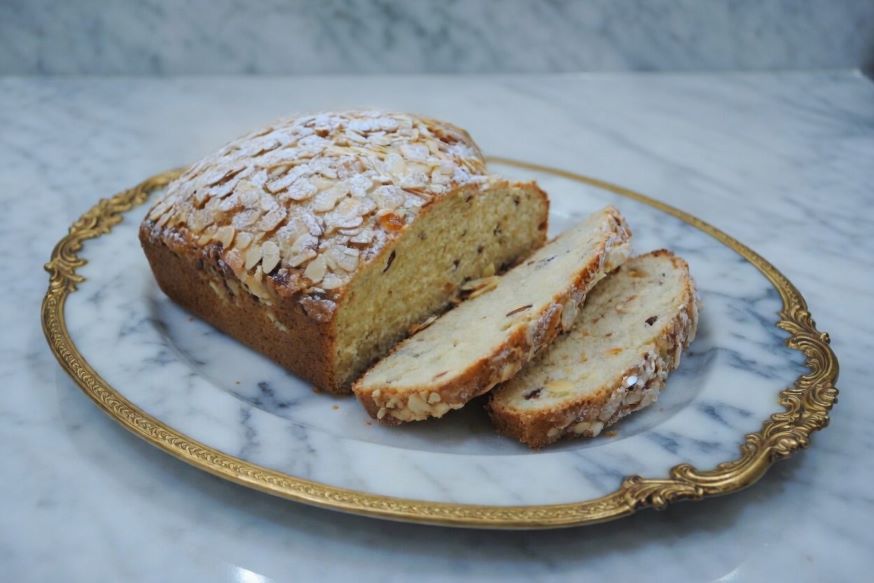
- Shape the DoughPunch down the dough and shape it into a dove form or place it into a loaf pan.
- Second RiseCover loosely and allow the dough to rise again for 1 hour.
- Prepare Almond GlazeMix egg white, sugar, and almond flour until a thick paste forms.
- Add ToppingSpread the glaze gently over the risen dough. Sprinkle with whole almonds and pearl sugar.
- BakeBake at 350°F (175°C) for 35–40 minutes, until golden brown and cooked through.
- CoolLet the bread cool completely on a rack before slicing.
Notes
Nutrition Estimated Facts
Colomba di Pasqua Italian Dove Bread for Easter
Colomba di Pasqua (1 Serving, 1/12 of Loaf)
Calories: 310
| Nutrient | Amount | %DV |
|---|---|---|
| Total Fat | 11g | 14% |
| Saturated Fat | 5g | 25% |
| Cholesterol | 65mg | 22% |
| Sodium | 120mg | 5% |
| Total Carbohydrates | 44g | 16% |
| Dietary Fiber | 1g | 4% |
| Total Sugars | 16g | — |
| Includes Added Sugars | 14g | 28% |
| Protein | 7g | — |
| Vitamin D | 0.3mcg | 2% |
| Calcium | 55mg | 4% |
| Iron | 2mg | 10% |
| Potassium | 110mg | 2% |
Tried this recipe?
Let us know how it was!Serving
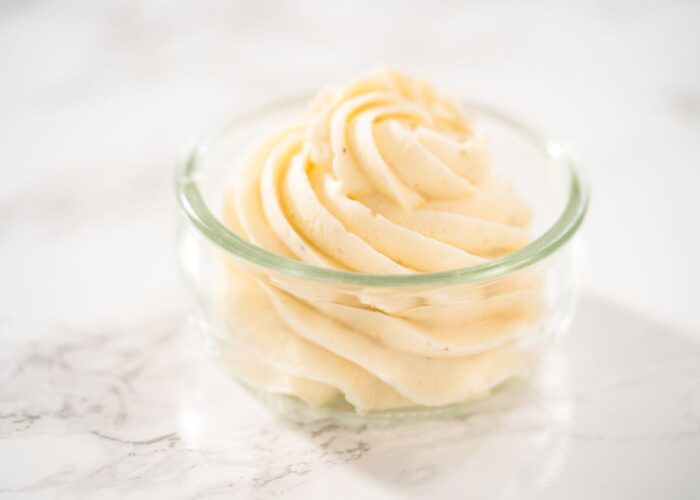
Traditionally, it pairs beautifully with espresso or cappuccino, allowing the mild sweetness of the bread to balance the rich coffee flavor. For a more indulgent presentation, some people enjoy it with mascarpone cream, whipped cream, or a light dusting of powdered sugar. A small glass of sweet dessert wine or limoncello is another classic pairing that highlights the citrus notes in the bread
Storage
Proper storage helps keep Colomba di Pasqua soft and flavorful for several days after baking. Because this traditional bread is enriched with butter and eggs, similar to Panettone, it stays moist longer than many other breads when stored correctly.
Room Temperature (Best Method)
Once the bread has cooled completely, wrap it tightly in plastic wrap or aluminum foil, or place it in an airtight container. Store it at room temperature in a cool, dry place. Shelf life: about 3–4 days
Keep it away from direct sunlight or heat to prevent it from drying out.
Refrigeration
Refrigeration is generally not recommended, as it can dry out the crumb and make the bread lose its soft texture. If you do refrigerate it, wrap it well and bring it to room temperature before serving.
Freezing
Colomba freezes very well if you want to keep it longer. Wrap the whole loaf or slices tightly in plastic wrap. Place in a freezer-safe bag or container. Freeze for up to 2 months.
To enjoy, thaw the bread at room temperature for a few hours. For the best texture, you can warm slices briefly in the oven.
Refreshing the Bread
If the bread becomes slightly dry after a couple of days, warm slices in a 300°F (150°C) oven for 5–8 minutes. This helps restore its soft texture and enhances the citrus aroma.
Stored properly, Colomba di Pasqua remains a delicious treat to enjoy for several days after your Easter celebration.