Italian Sweet Shortcrust Pastry | Pasticcini di Pasta Frolla
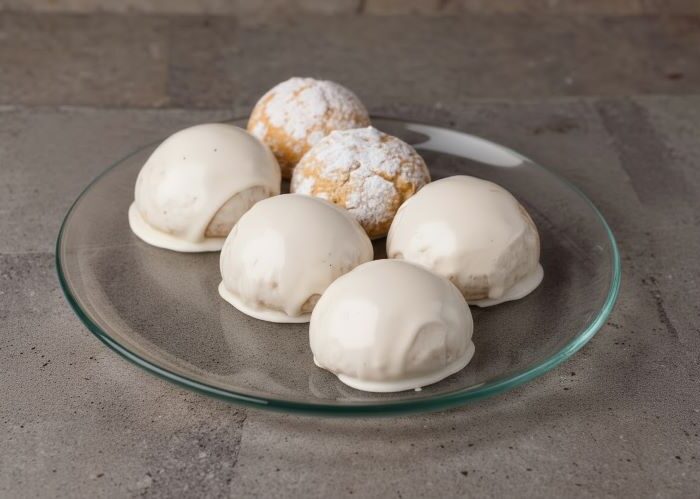
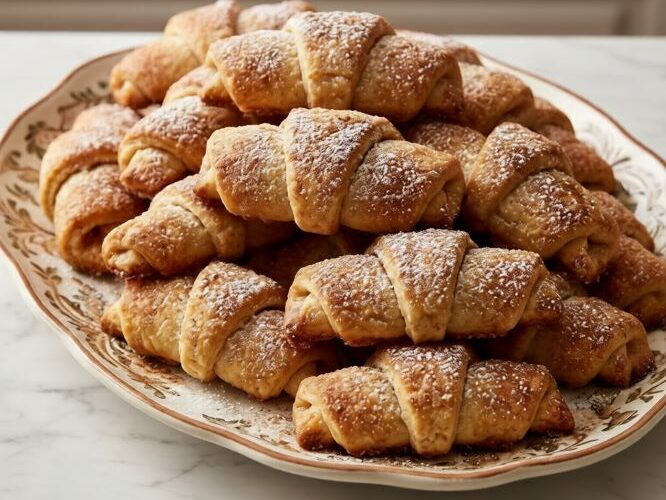
Pasticcini di pasta Frollo may be small, but they feel special. These delicate, buttery cookies use Pasta Frolla, Italy’s classic sweet shortcrust dough. They’re just sweet enough and wonderfully tender. You’ll often find them filled with glossy fruit jam, rich chocolate, smooth custard, or nutty creams. Sometimes, they’re left plain and finished with a light dusting of powdered sugar.
People enjoy Pasticcini slowly, usually with espresso or afternoon coffee.
They turn everyday moments into something more refined. Though they look elegant, these pastries stay refreshingly simple. That’s why you’ll see them everywhere from home kitchens to well-stocked Italian pastry shops.
Pasta frolla gives these shortbread cookies their signature texture. It’s softer and more tender than standard shortcrust. Butter, sugar, and eggs create its rich base, with yolks often added for extra depth. Lemon zest, vanilla, or almond brings a gentle aroma that enhances every filling.
The Italian Origins of Pasta Frolla Pastries
Pasta Frolla took shape during the Italian Renaissance. Bakers moved away from heavy, bread-like doughs and embraced lighter pastries made with butter, sugar, and eggs. This change reshaped Italian baking and led to desserts that felt more refined and versatile.
Pasticcini di pasta frolla thrived in northern and central Italy. Regions like Emilia-Romagna, Lombardy, and Tuscany led the way. Local bakers relied on regional ingredients such as fruit preserves, almonds, and citrus. They crafted small sweets that looked beautiful and tasted even better. Over time, these pastries earned a permanent place on Italian dessert trays. Families served them at holidays, weddings, and celebrations. Today, they still represent Italian hospitality a reminder that the smallest treats often leave the strongest impression.
Typical Ingredients
Pastry
All-purpose flour – the base of the dough.
Butter – unsalted, cold, cut into small pieces for a tender, crumbly texture.
Sugar – usually granulated or powdered; sweetens the dough.
Eggs – often whole eggs or just yolks; bind the dough and enrich flavor.
Salt – a pinch to enhance flavor.
Flavorings – Lemon or orange zest, Vanilla extract or vanilla bean (optional but common)
Common Fillings / Toppings
Fruit preserves or jams (apricot, cherry, raspberry)
Nut pastes (almond, hazelnut)
Chocolate – ganache or chocolate chips
Custard or cream fillings
Powdered sugar – for dusting after baking
Pasta Frolla: One Dough, Endless Italian Desserts
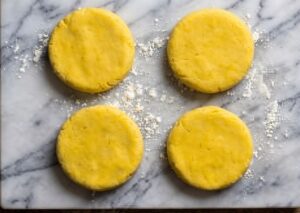
Making Pasta Frolla feels almost too easy, like one of those recipes you end up memorizing without trying. It comes together with a handful of everyday ingredients things most of us already have tucked away in the pantry or fridge. Mix them, bring the dough together, and suddenly you’re working with something soft, buttery, and incredibly forgiving. It rolls out without a fight, shapes beautifully, and bakes like a dream.
That’s the real magic of Pasta Frolla: its flexibility. The same dough can turn into crisp little cookies, a homey pie with a golden crust, refined tarts worthy of a pastry shop, or tiny pastries filled with jam, custard, or chocolate. One simple dough, endless possibilities. It’s no wonder it sits at the heart of so many beloved Italian desserts, and does it effortlessly.
Variations
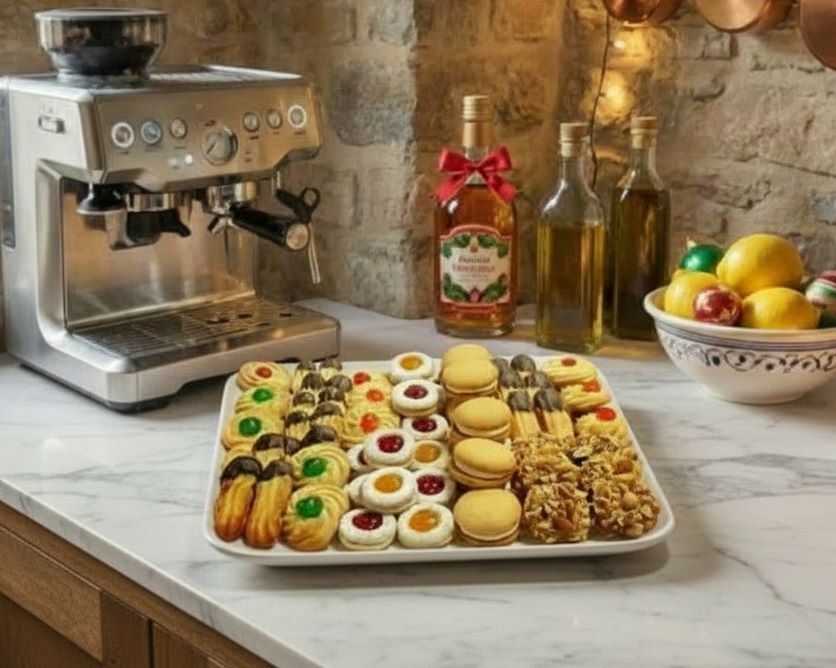
One of the best things about Pasta Frollo is how versatile it is. You can take the same basic dough and turn it into all sorts of delicious treats. With pasta frolla, the possibilities are endless. You can mix and match flavors, fillings, and shapes to create a cookie tray that’s as beautiful as it is delicious. Here are some ideas:
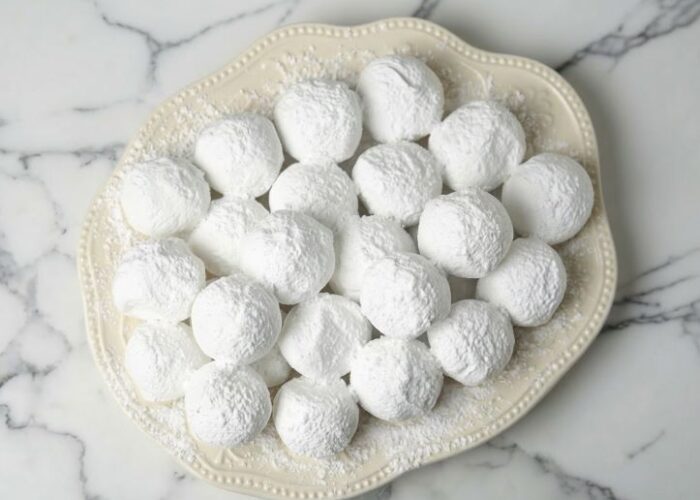
Plain & Powdered: Sometimes less is more, bake simple shapes and dust with powdered sugar for a delicate, melt-in-your-mouth cookie.
Chocolate Lovers: Fill with chocolate ganache or hazelnut spread for a rich, indulgent treat.
Nutty Delights: Mix finely ground almonds, hazelnuts, or pistachios into the dough or filling for a nut-forward flavor.
Mini Tarts: Press dough into mini tart pans and fill with pastry cream, lemon curd, or chocolate mousse for an elegant touch.
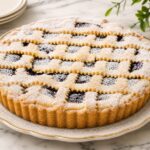
Rustic Pies: Use the dough for a small lattice-top fruit pie—perfect for sharing or gifting.
Jam-Filled Pasticcini: Small rounds or thumbprint cookies filled with raspberry, apricot, or cherry jam.
Sandwich Cookies: Two rounds pressed together with chocolate, Nutella, or custard in the middle.
Chocolate-Dipped Cookies: Bake simple rounds, then dip half in melted chocolate for a decadent twist.
Lemon or Orange Zest Cookies: Add citrus zest for a fresh, fragrant variation perfect for spring or summer gatherings.
One of the best things about Pasta Frolla is its versatility. it’s the perfect base for so many types of cookies. With this tender, buttery dough, you can create:
Ingredients
Equipment
Instructions
- DoughIn a large bowl, whisk together the flour, sugar, salt, and lemon zest. Add the cold butter and work it in using a pastry cutter or your fingertips until the mixture looks like fine crumbs.Add the egg, egg yolk, and vanilla. Mix just until the dough comes together. Don’t overwork it—pasta frolla should stay tender.Shape the dough into a flat disc, wrap tightly in plastic wrap, and refrigerate for 30 minutes.
- Roll and ShapePreheat your oven to 350°F (175°C). Line a baking sheet with parchment paper.Lightly flour your work surface and roll out the dough to about ⅛-inch thickness. Cut out 24 shapes using your cookie cutter. Place them on the prepared baking sheet, spacing them slightly apart.If making filled pasticcini, use the back of a teaspoon or your thumb to gently press a shallow indentation in the center of each cookie.
- FillFill each indentation with about ½ teaspoon of jam, chocolate, or custard. Be careful not to overfill—the filling will spread slightly as it bakes.
- BakeBake for 15–18 minutes, or until the edges are lightly golden. The tops should remain pale and delicate.Remove from the oven and let the pasticcini rest on the baking sheet for 5 minutes, then transfer to a cooling rack to cool completely.
- Finish and ServeOnce cooled, dust lightly with powdered sugar if desired. Serve with espresso, coffee, or tea.
Notes
Tried this recipe?
Let us know how it was!Serving
Pasticcini di pasta frolla are best enjoyed fresh, when their buttery, tender texture is at its peak. For the best experience, let them come to room temperature before serving. Their delicate flavor and melt-in-your-mouth texture really shine this way.
With coffee or tea: Perfect for a cozy morning or afternoon treat.
At gatherings: Arrange on a platter for holidays, parties, or casual get-togethers—they always disappear fast!
As gifts: Pack in small boxes or tins for a thoughtful homemade present.
With toppings: Dust lightly with powdered sugar, drizzle with chocolate, or add a few toasted nuts for a little extra flair.
Mix and match: Serve a variety of fillings together—jam, custard, chocolate—so everyone can try their favorite.
Storage
Room Temperature: Store cooled in an airtight container at room temperature for up to 3–4 days. They stay tender and buttery, perfect for snacking anytime.
Refrigeration: If your fillings are perishable (like custard or cream), keep the pastries in the fridge for up to 2 days. Bring them to room temperature before serving for the best texture.
Freezing: Unbaked cut dough or fully baked Pasticcini freeze well. Wrap tightly in plastic wrap and place in a freezer-safe container for up to 1 month. Thaw at room temperature before baking (if frozen raw) or before serving (if baked).
Avoid stacking the pastries directly on top of each other unless lined with parchment paper to prevent sticking. Dust with powdered sugar only after storing to keep them looking fresh and appealing.