Easy Authentic Italian Anise Cookies Recipe
Some cookies don’t just taste like Christmas they feel like it. Italian anise cookies are one of those treats. One bite brings back a whole season of memories. If you grew up in or near an Italian household, you probably remember rows of these cookies drying on wax paper. Their glaze hardened slowly, and the sweet anise aroma filled the kitchen.
These cookies often called Anisette Cookies or simply “Italian Christmas Cookies” are soft, cakey, and gently flavored with anise. The spice gives them warmth and nostalgia without overpowering the dough. They use simple ingredients and a straightforward method, yet they deliver pure comfort. Even better, they taste best when you bake them in large, shareable batches.
A Holiday Tradition
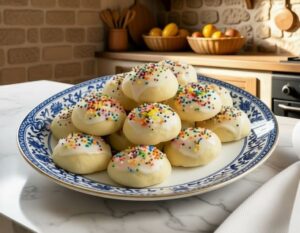
Italian Christmas baking varies widely by region, but anise cookies appear most often in Southern Italy. Places like Campania, Calabria, and Sicily have used anise seeds and anise liqueur in home baking for generations.
Historically, anise played a big role in Mediterranean cooking. Ancient Romans prized it for both flavor and comfort. Over time, Italian families added it to breads, biscotti, and holiday sweets.
As the recipe evolved, families adapted it in different ways. Some added lemon, others shaped the dough into knots or rings, and many finished the cookies with a simple glaze.
When Italian immigrants arrived in the United States in the late 1800s and early 1900s, they brought these cookies with them. Many recipes came from memory or handwritten notes. American versions soon grew softer, puffier, and slightly sweeter. And with festive sprinkles, they quickly became a holiday staple.
Why These Italian Cookies Stand Out During the Holidays
Part of their charm comes from the baking tradition itself. These cookies rarely appear without a family gathering. Someone pulls out a worn recipe card. Someone else insists that “nonna never measured anything.” Meanwhile, everyone debates the perfect amount of anise.
As a result, these cookies connect generations. Even people who don’t love anise admit the smell brings back childhood memories. And for anise lovers, these cookies are the first treats they look for on the Christmas dessert table.
Typical Ingredients
- All-Purpose Flour
- Baking Powder
- Salt
- Unsalted Butter: Adds richness.
- Granulated Sugar.
- Eggs
- Anise Extract or Anise Seeds: Provide the signature warm, aromatic flavor.
- Lemon Zest (Optional): complements the anise.
- Powdered Sugar
- Milk or Water
- Sprinkles or Nonpareils: Add a festive, colorful finish.
The Heart of the Tradition
Ultimately, what makes these cookies truly special is the story behind them. Families have passed them down for generations, usually without formal measurements. Every household has its own version, knots, rings, rounds, heavy glaze, or light drizzle. Yet no matter the style, the flavor stays familiar. It tastes like love, memory, and celebration all in one warm bite.
Two Italian Christmas Cookies, One Holiday Table
If you love these anise cookies, be sure to try my bright, fresh lemon knot cookies as well
Classic Anise Cookies are soft and sweet with a bold licorice flavor and festive glaze. Lemon Knot Cookies are lighter, gently crisp, and bright with fresh lemon. One tastes traditional and bold. The other feels simple, fresh, and easy to love.
Ingredients
Instructions
- Preheat Oven:Preheat your oven to 350°F (175°C). Line 2–3 baking sheets with parchment paper.
- Mix Dry Ingredients:In a medium bowl, whisk together flour, baking powder, and salt. Set aside.
- Cream Butter and Sugar:In a large bowl, use an electric mixer or hand whisk to beat the softened butter and sugar until light and fluffy (2–3 minutes).
- Add Eggs and Flavorings:Beat in the eggs, one at a time, then mix in anise extract and lemon zest if using.
- Combine Wet and Dry Ingredients:Gradually add the flour mixture to the wet ingredients. Mix until a soft, slightly sticky dough forms.
- Shape:Roll dough into 1-inch balls and place about 2 inches apart on prepared baking sheets. Flatten slightly with a glass bottom for a more even surface.
- Bake:Bake for 12–15 minutes, or until edges are lightly golden. The cookies should remain soft. Remove from oven and cool on a wire rack.
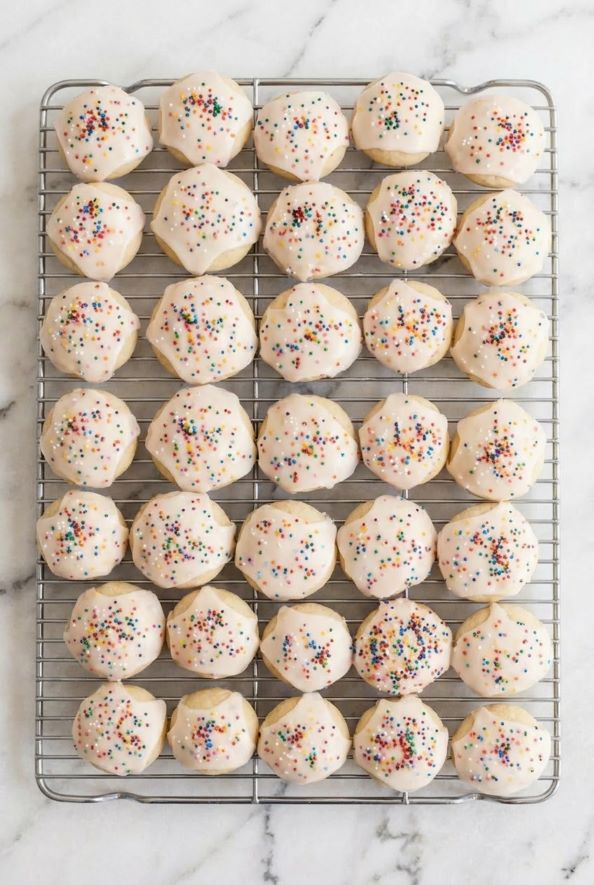
- Glaze:In a small bowl, whisk together powdered sugar, milk, and anise extract until smooth. Adjust consistency to be thick but pourable.Once cookies are fully cooled, dip tops into glaze or drizzle with a spoon. Immediately add sprinkles before glaze sets.Allow cookies to set for 30–60 minutes before serving or storing in an airtight container.
Notes
These cookies are meant to be soft and tender. Remove them from the oven as soon as the edges are lightly golden. They will continue to firm up as they cool. Use Fresh Anise Flavor:
For the most authentic taste, use either fresh anise extract or lightly crushed anise seeds. Avoid artificial flavoring if possible—it can taste harsh. Shaping:
Traditional shapes include small balls, knots, or rings. For a festive look, roll some cookies into twists or make small thumbprint impressions for glaze. Glaze:
The glaze should be thick but pourable. Too thin, and it will run off the cookies; too thick, and it won’t spread smoothly. Adjust with a teaspoon of milk or powdered sugar as needed.
Nutrition Estimated Facts
Italian Christmas Cookies
Serving Size: 2 cookies (Approx. 50g)
| Nutrient | Amount | % DV |
|---|---|---|
| Calories | 210 kcal | — |
| Total Fat | 11 g | 14% |
| Saturated Fat | 4 g | 20% |
| Cholesterol | 25 mg | 8% |
| Sodium | 95 mg | 4% |
| Total Carbohydrates | 26 g | 9% |
| Dietary Fiber | 1 g | 4% |
| Added Sugars | 12 g | 24% |
| Protein | 3 g | — |
The main calorie contributors are butter, sugar, and flour. The primary fat source is butter or oil used in the dough, while added sugars significantly impact the carbohydrate and calorie content.
Tried this recipe?
Let us know how it was!Classic Anise Cookies vs. Lemon Knot Cookies
Difference in the Recipe
At their core, these two cookies start from almost the same dough, but the flavoring takes them in completely different directions. Classic Anise Cookies use anise extract or seeds, giving the dough that deep, old-fashioned licorice aroma, and they’re usually finished with a simple white glaze and sprinkles. Lemon Knot Cookies, instead, get their personality from fresh lemon zest and juice, which slightly softens the dough and keeps the flavor light and bright. The glaze follows suit, lemony, thinner, and tangy proof that one small ingredient change can turn the same base recipe into a totally different holiday cookie.
In many Italian families, anise cookies are for the adults, while lemon knot cookies are for everyone. That’s why you often see both on the same holiday tray they balance each other perfectly.
Choose anise cookies when you want that classic, old-school Italian flavor that tastes like tradition and Christmas past. Go with lemon knot cookies if you’re craving something bright, gentle, and easy for everyone to love. And if you want a truly authentic Italian Christmas spread, don’t choose at all. These two cookies don’t compete. They balance each other. And in many Italian homes, Christmas wouldn’t feel complete without both.
Serving
With Coffee or Espresso:
These cookies pair beautifully with a strong Italian espresso or cappuccino. The anise flavor complements the rich coffee notes, making it a perfect after-dinner treat.
Holiday Dessert Platter:
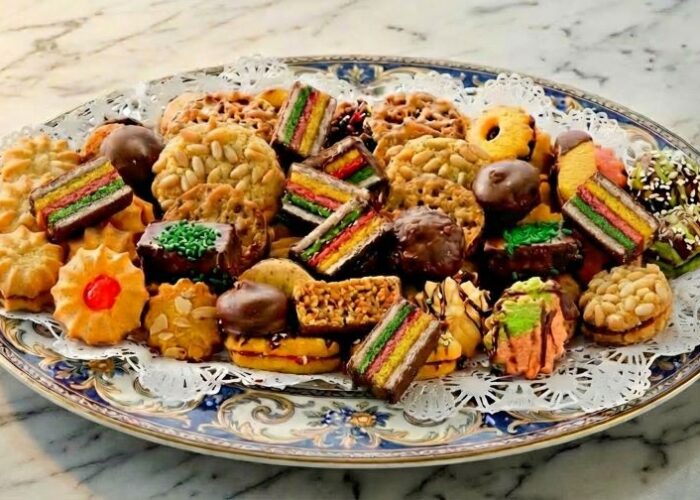
Arrange them alongside biscotti, pizzelle, and chocolate truffles for a festive Italian-inspired holiday dessert tray.
With Hot Chocolate or Tea:
Serve warm with a cup of hot cocoa or black tea for a cozy afternoon snack.
With Dessert Wine:
Pair with a sweet dessert wine, such as Vin Santo or Moscato, to accentuate the cookies’ delicate anise flavor.
Storage
Room Temperature:
Store fully cooled cookies in an airtight container at room temperature for up to 1 week. Place parchment paper between layers to prevent sticking.
Refrigeration:
If you live in a warm or humid climate, store in the fridge in an airtight container for up to 2 weeks. Allow cookies to come to room temperature before serving to soften slightly.
Freezing:
You can freeze unglazed cookies in a single layer on a baking sheet for 1–2 hours, then transfer to a freezer-safe container or bag for up to 3 months. Thaw at room temperature before glazing.
Glaze frozen cookies after thawing for the best texture. Once glazed, store cookies in a single layer or separated by parchment to prevent the glaze from sticking. The glaze may slightly soften over time but will still taste delicious.