
Ingredients
Equipment
Instructions
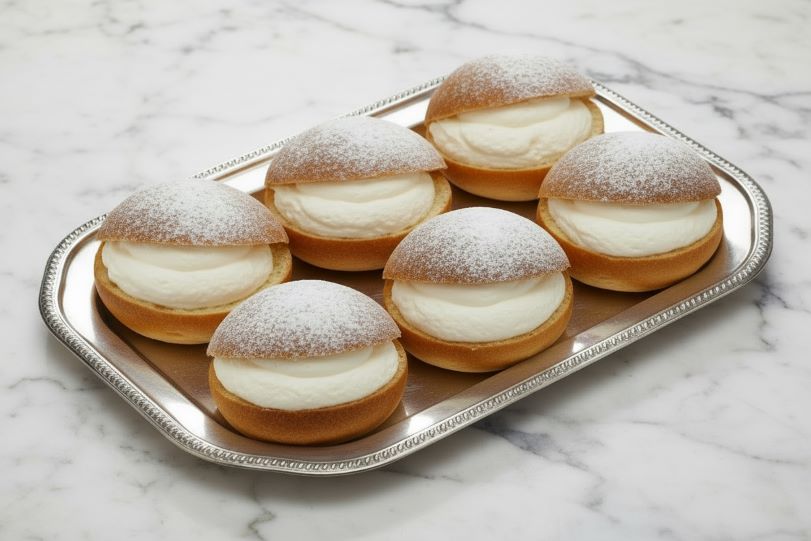
- Take your time with the dough that's really where the magic happens, you know? When you’re done, you’ll end up with this beautiful, golden brioche. It’s got just a hint of sweetness, and honestly, it's light enough to keep its shape, but soft enough to just melt in your mouth.
- Activate the YeastIn a small bowl, combine the warm milk with the yeast and a pinch of sugar. Stir gently and let it sit for about 10 minutes, until it becomes frothy and alive.
- Make the DoughIn a large mixing bowl (or the bowl of a stand mixer), combine the flour, sugar, salt, and orange zest. Add the eggs, vanilla, and the yeast mixture. Mix until the dough starts to come together.Next, add the softened butter a little at a time, kneading until smooth and elastic. This should take about 8–10 minutes by hand, or 6–7 minutes with a mixer. The dough should be soft, slightly tacky, and full of life.
- First RiseForm the dough into a ball and place it in a lightly oiled bowl. Cover it with a clean kitchen towel and let it rise in a warm spot for about 2 hours, or until doubled in size.
- Shape the BunsPunch down the dough gently to release the air. Divide it into 12 equal pieces and shape each into a smooth oval or round ball. Place them on a parchment-lined baking sheet, leaving space between each one.Cover again and let them rise for another 30–40 minutes, until puffy and soft.
- BakePreheat your oven to 350°F (175°C). Brush the tops of the buns with a beaten egg yolk for that beautiful golden sheen.Bake for 18–20 minutes, or until golden brown and fragrant. Transfer them to a wire rack to cool completely.
- Whip the CreamIn a cold bowl, beat the heavy cream with powdered sugar and vanilla until soft peaks form. It should be light and fluffy — not too stiff.
- Fill and ServeOnce the buns are completely cool, slice each one almost in half (like a sandwich, but not all the way through). Gently spoon or pipe in the whipped cream until it’s just overflowing.Dust lightly with powdered sugar. (optional)
Notes
Take your time with the dough: The secret to soft, pillowy Maritozzi is patience. Let the dough rise fully — it should double in size and feel airy to the touch.
Use room-temperature ingredients: Cold eggs or butter can slow the yeast, so make sure everything’s slightly warm (but not hot).
Don’t rush the cream: Whip the cream just until soft peaks form. Overwhipping can make it grainy or heavy, and part of Maritozzo’s charm is its cloud-like texture.
Zest is optional: A touch of orange zest adds that signature Roman aroma — bright, fresh, and just a little luxurious.
Shape them gentl: y When forming the buns, don’t press too hard. The lighter your touch, the softer your final result.
Extra shine: Brush each bun with a light egg wash before baking. It gives them that classic golden glow you see in Italian pastry shops.
*Percent Daily Values (%DV) are based on a 2,000-calorie diet.
Most of the calories come from whipped cream (fat) and enriched sweet dough (carbohydrates + butter/eggs). Saturated fat is mainly from cream and butter, while added sugars come from the dough and whipped cream sweetening.
Nutrition Estimated Facts
Maritozzo con la Panna
Per one medium Italian cream sized bun (~100 g)
| Nutrient | Amount | %DV* |
|---|---|---|
| Calories | 370 kcal | 18% |
| Total Fat | 18 g | 23% |
| Saturated Fat | 11 g | 55% |
| Cholesterol | 95 mg | 32% |
| Sodium | 150 mg | 7% |
| Total Carbohydrate | 44 g | 16% |
| Dietary Fiber | 1 g | 4% |
| Total Sugars | 18 g | — |
| Includes Added Sugars | 16 g | 32% |
| Protein | 6 g | 12% |
| Vitamin D | 0.5 µg | 3% |
| Calcium | 80 mg | 6% |
| Iron | 1.2 mg | 7% |
| Potassium | 120 mg | 3% |