Marzipan: Sweet Italian Almond Paste
Marzipan isn’t just a candy; it’s a story in every bite. This silky, almond-scented paste has delighted sweet lovers for centuries, weaving its way through cultures and kitchens across the globe. At its core, marzipan is simple: finely ground almonds, sugar, and a touch of binder sometimes egg white, sometimes syrup blended into a smooth, pliable paste. Yet its history is anything but simple.
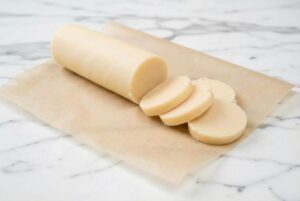
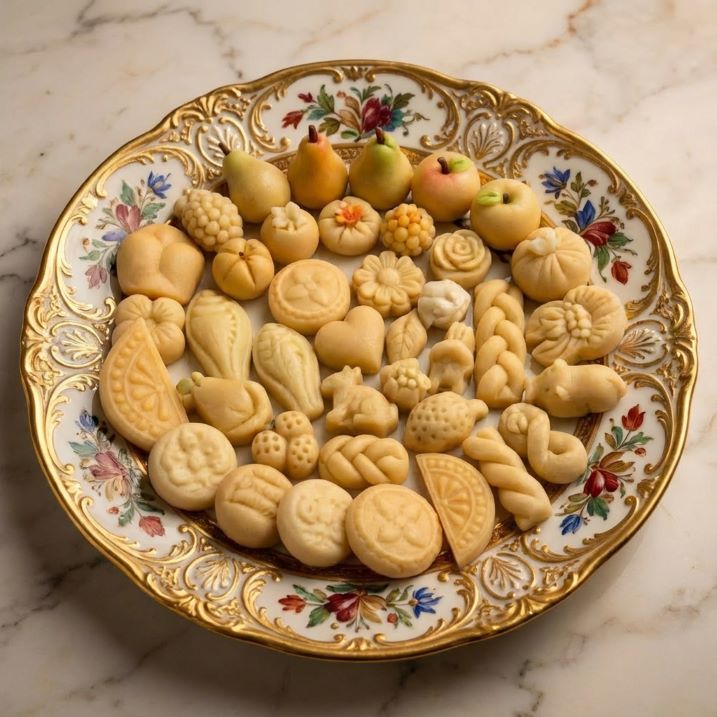
The roots of marzipan likely stretch back to the Middle East, where almonds and sugar were first combined into early confections. From there, it traveled along trade routes into Europe, finding a particularly warm welcome in Italy, Spain, and Germany. In each country, marzipan took on a local twist: Italians incorporated it into delicate pastries, Spaniards shaped it into festive treats, and Germans perfected the art of sculpting it into tiny fruits and figures.
By the Middle Ages, marzipan had earned a reputation as a luxury sweet, often reserved for royal tables and religious celebrations. Its rich almond flavor and smooth texture made it a symbol of sophistication and indulgence. Even today, marzipan carries that air of elegance, whether it’s molded into miniature fruits for a dessert platter or rolled out to cover a festive cake.
More than just a treat, marzipan tells a story of trade, culture, and culinary artistry, a simple paste that traveled continents and centuries to become a beloved staple of European kitchens and now, a favorite in homes worldwide.
Typical Ingredients
Marzipan is incredibly simple.
Almonds
Eggs
Powdered sugar
Almond extract (optional)
Water or syrup) (optional)
Best uses:
Shaped candies and figures
Cake covering and decoration
Holiday sweets and confections
Modeling and decorative details
Ingredients
Equipment
Instructions
- Grind almondsAdd the blanched almonds to a food processor and pulse until they’re very finely ground, pausing to scrape down the sides as needed. You’re aiming for a fine, sandy texture, stop before it turns into almond butter. Alternatively, you can use fine almond flour and save time.
- Add dry ingredientsAdd the powdered sugar and salt. Pulse again until evenly combined.
- Bring togetherSlowly add the egg white, followed by the almond extract. Process until the mixture forms a soft, smooth paste.
- Shape and restTurn the Marzipan out onto parchment paper. Knead briefly by hand, then shape into a log or block. Wrap tightly.
Notes
Nutrition Estimated Facts -Marzipan
Marzipan Serving Size: 1 oz (28g)
Nutrition values are estimated and vary by sugar/almond ratio and brand.
| Nutrient | Amount | %DV |
|---|---|---|
| Calories | 130 | — |
| Total Fat | 8g | 10% |
| └ Saturated Fat | 0.7g | 4% |
| Cholesterol | 0mg | 0% |
| Sodium | 5mg | 0% |
| Total Carbohydrate | 15g | 5% |
| └ Dietary Fiber | 2g | 7% |
| └ Total Sugars | 13g | — |
| └ Added Sugars | 12g | 24% |
| Protein | 2g | 4% |
Tried this recipe?
Let us know how it was!Marzipan vs. Almond Paste
Marzipan and Almond paste are often confused, and it’s easy to see why. They’re made from nearly the same ingredients and look very similar. The real differences come down to ratios, texture, and how they’re used in baking.
Marzipan – Smoother, firmer, and sweeter
Marzipan has more sugar and fewer almonds, which makes it sweeter and much smoother. It’s designed to be rolled, shaped, and decorated, holding its form well at room temperature.
Almond Paste – Richer, softer, and less sweet
Almond paste contains a higher percentage of almonds and less sugar. This gives it a deeper, nuttier flavor and a softer, slightly coarse texture. Because it isn’t overly sweet, it works beautifully as a filling or ingredient in baked goods.
Key Differences
Almond content: Almond paste has more almonds; marzipan has more sugar
Sweetness: Almond paste is mildly sweet; marzipan is noticeably sweeter
Texture: Almond paste is soft and slightly grainy; marzipan is smooth and pliable
Purpose: Almond paste is for baking; marzipan is for shaping and decorating
If you need something smooth and moldable for decorations or candies, marzipan is the better choice. If you want flavor and moisture in baked desserts, reach for almond paste. Though they share a common origin, each has its own role in the kitchen and knowing the difference makes all the difference in your final dessert.
Storage
Refrigerator:
Wrap the almond paste tightly in plastic wrap or place it in an airtight container. Store in the refrigerator for up to 2 weeks.
Freezer:
For longer storage, wrap the almond paste well, then place it in a freezer-safe bag or container. Freeze for up to 3 months.
Before using:
Let refrigerated or frozen almond paste come to room temperature before using. Knead briefly to restore its soft, workable texture.
Avoid drying out:
Always keep almond paste tightly sealed, as exposure to air will cause it to harden and lose freshness.