La Piadina: Italy’s Simple Flatbread Everyone Loves
La Piadina is one of Italy’s most beloved flatbreads simple, rustic, and endlessly versatile. Born in Romagna, along the Adriatic coast, Piadina has been called “the bread of the poor,” yet today it’s a street-food icon enjoyed across Italy and beyond.
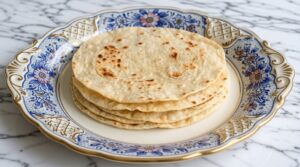
Piadina is a thin, round flatbread traditionally made with flour, lard (or olive oil), salt, and water, cooked on a hot griddle until lightly blistered and golden. It’s soft and pliable when warm, perfect for folding around savory or sweet fillings. Locals often eat it fresh off the griddle, stuffed and folded in half like a sandwich.
Piadina dates back centuries and was once cooked on terracotta plates called testo. For farming families in Romagna, it was everyday bread, quick, filling, and made with pantry staples. Over time, it evolved into a regional specialty proudly protected and celebrated.
What makes piadina so special is its versatility. You can keep it classic with thin slices of cured meats and creamy cheeses, or load it up with grilled vegetables, fresh greens, and flavorful spreads. Whether served simply or generously stuffed, it’s a comforting, rustic staple that turns everyday ingredients into a satisfying handheld meal.

La Piadina Now Found on Modern Menus and Street Corners
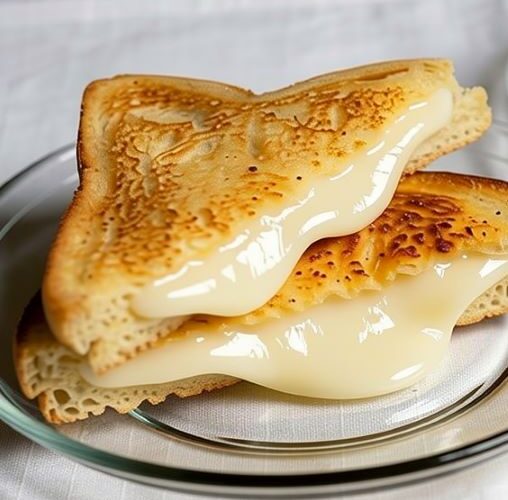
La piadina is one of those foods Italians grow up with and never stop loving. Humble in origin yet endlessly adaptable, this beloved flatbread has made its way from home kitchens to bakeries, food trucks, and restaurant menus all over Italy. There’s something deeply comforting about a warm Piadina folded in half, its edges lightly toasted, the filling gently melting inside.
Typical Ingredients
All-purpose flour
Lard (strutto) – the classic fat used for tenderness and flavor
Water
Fine sea salt
Modern Variations
While not strictly traditional, these ingredients are widely used today:
Extra-virgin olive oil – a popular substitute for lard
Baking powder – adds slight softness and flexibility
Milk – sometimes replaces part of the water for a richer dough
Excluded
No yeast, No sugar
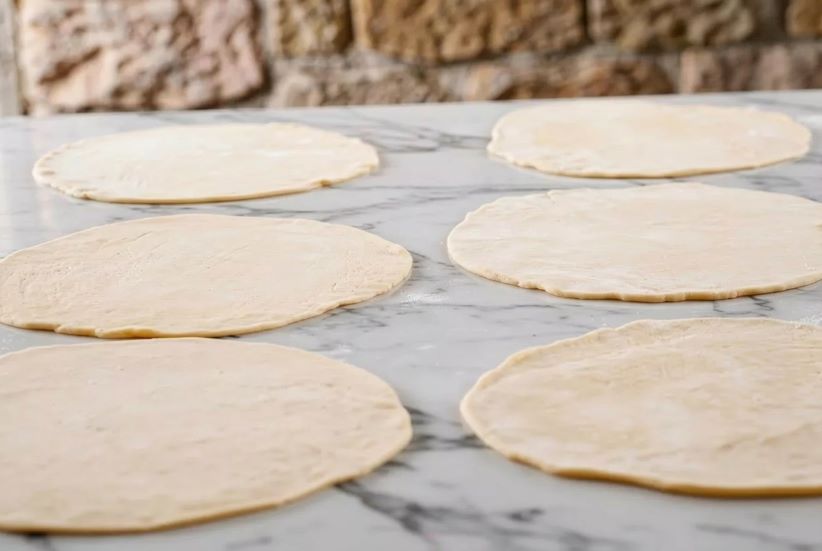
Ingredients
Equipment
Instructions
- Make the DoughIn a large bowl, whisk together the flour, salt, and baking powder. Add the lard (or olive oil) and rub it into the flour with your fingertips until the mixture looks crumbly. Gradually pour in the warm water, mixing until a soft dough forms.
- Knead & RestTurn the dough onto a clean surface and knead briefly, about 3–4 minutes, until smooth and elastic. Form into a ball, cover with a towel or bowl, and let rest for 20 minutes. This makes rolling much easier.
- Divide & RollCut the dough into 8 equal pieces. Roll each piece into a ball, then flatten and roll into a thin circle, about 8–9 inches (20–23 cm) wide.
- Cook Heat a dry skillet or griddle over medium-high heat. Cook each piadina for 1–2 minutes per side, until bubbles form and golden brown spots appear. Flip once.
- Keep Warm & ServeStack the cooked Piadine and keep them wrapped in a clean towel while finishing the rest. Serve warm.
Notes
Nutrition Estimated Facts:
La Piadina: Italian Flatbread
Serving Size: 1 plain piadina (approx. 100g, unfilled
| Nutrient | Amount | %DV |
|---|---|---|
| Calories | 330 | — |
| Total Fat | 11g | 14% |
| └ Saturated Fat | 3.5g | 18% |
| Cholesterol | 10mg | 3% |
| Sodium | 520mg | 23% |
| Total Carbohydrate | 47g | 17% |
| └ Dietary Fiber | 2g | 7% |
| └ Total Sugars | 2g | — |
| └ Added Sugars | 1g | 2% |
| Protein | 8g | 16% |
Nutrition values are estimated. Based on a 2,000-calorie diet.
Tried this recipe?
Let us know how it was!Fillings
One of the best things about la piadina is how easily it adapts to whatever you’re craving. Traditionally, it’s filled while still warm so the ingredients gently melt together.
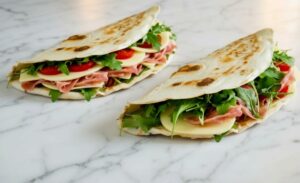
Prosciutto crudo & squacquerone
The most classic combination—silky cured ham paired with ultra-creamy squacquerone cheese, slightly melted by the warmth of the flatbread.
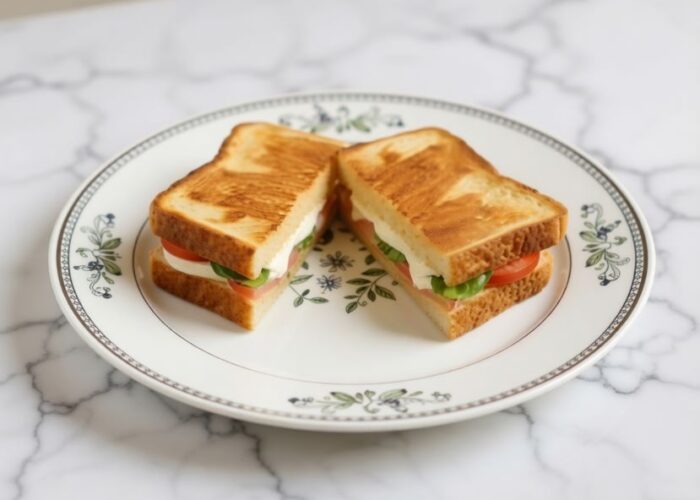
Mozzarella, tomato & arugula
Fresh and balanced, with juicy tomatoes, mild mozzarella, and peppery arugula adding a bright, summery contrast.
Grilled vegetables & ricotta
A hearty vegetarian option featuring smoky zucchini, eggplant, or peppers softened by creamy ricotta.
Nutella, honey, or jam (sweet versions)
Simply spread and fold while the piadina is hot for a comforting dessert or afternoon treat.
Best served fresh:
Piadina is at its absolute best straight from the pan, when it’s still warm and slightly steamy inside. Traditionally, it’s meant to be folded, eaten with your hands, and enjoyed right away.
Serve Piadina for a quick lunch, paired with a fresh salad or grilled vegetables for an easy dinner, or set out family-style so everyone can build their own and share. And when the craving is sweet, a warm piadina spread with Nutella, honey, or jam turns it into the simplest, most comforting dessert.
Storage
Uncooked dough: Wrap tightly in plastic wrap and store in the refrigerator for up to 24 hours. Let it come to room temperature before rolling.
Cooked piadina: Keep stacked and wrapped in a clean kitchen towel at room temperature for a few hours. For longer storage, place in an airtight container in the fridge for up to 2–3 days.
Freezing: Cooked piadine freeze well. Separate each with parchment paper, store in a freezer bag, and freeze for up to 2 months. Reheat on a hot skillet for a fresh-from-the-pan feel.
Avoid microwaving, if possible, it can make the bread chewy. A quick reheat on a skillet brings back the original softness and slightly crisp edges.